Text size
Line height
Text spacing
We're currently redeveloping our website so you may see a mix of old and new style pages and forms while we complete this work..
Inset Day - Tuesday 1st September 2026, School will be closed to all pupils..
Autumn Term commences on Wednesday 2nd September 2026 for all pupils...
The war was fought on land, sea and in the air.
New machines were being developed all the time to overcome the difficult conditions of battle.
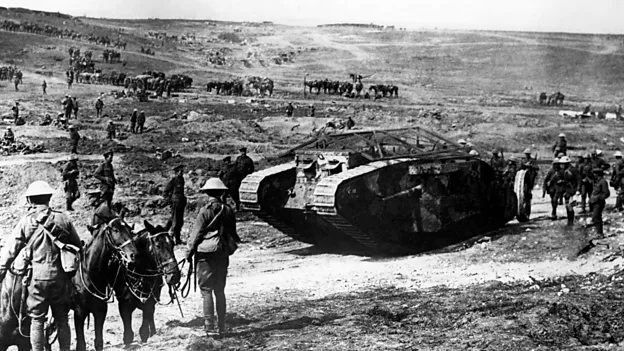
They prevented soldiers from being caught by barbed wire or gunfire. Cars were unsuitable because they could not get across the muddy ground.
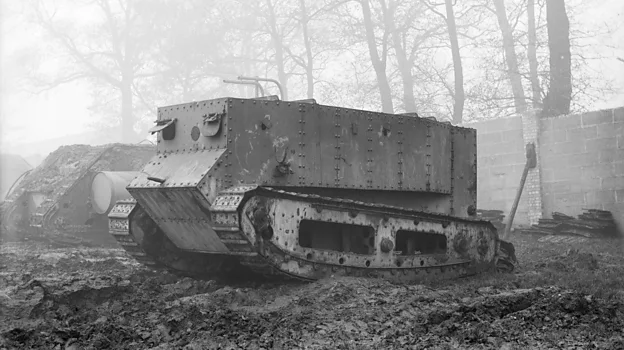
It weighed 18 tons and held a crew of two plus four gunners. It was the first completed tank in history but it never went out to war.
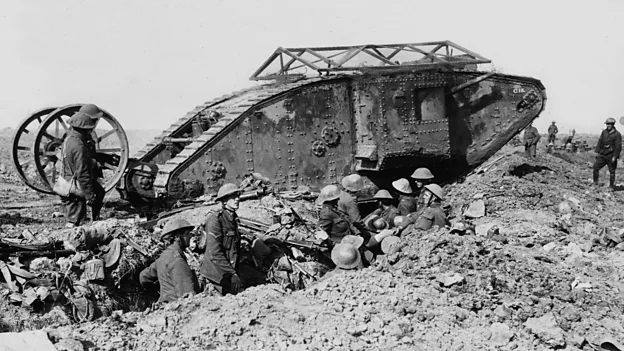
The British Mark I tank was used in September 1916. It held ten men and reached speeds of almost four miles per hour.

Battleships were the largest warships and had very big guns. A Destroyer was a small, fast warship which fired guns and torpedoes.
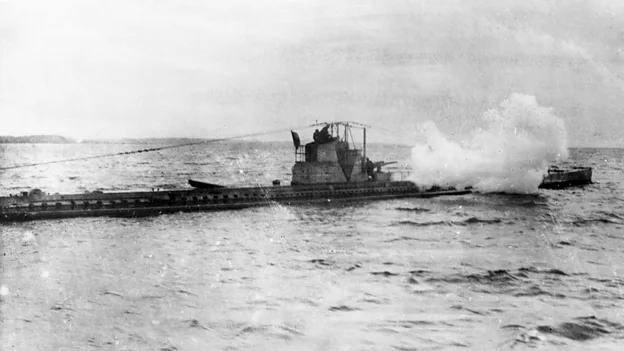
They sailed to places ordinary ships could not get to and stopped enemy ships from getting too close to Britain. The British Royal Navy had the world's largest submarine service when war broke out.
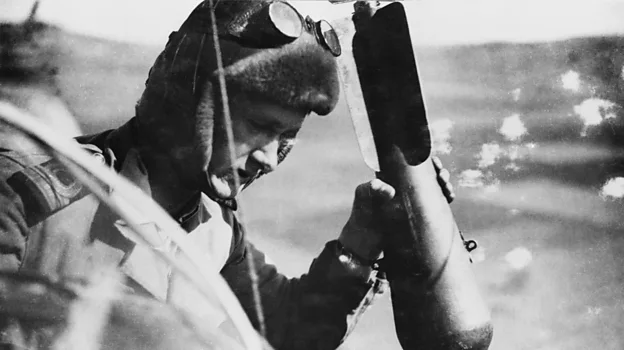
This was originally done by either the pilot or co-pilot dropping a bomb over the side of the plane.
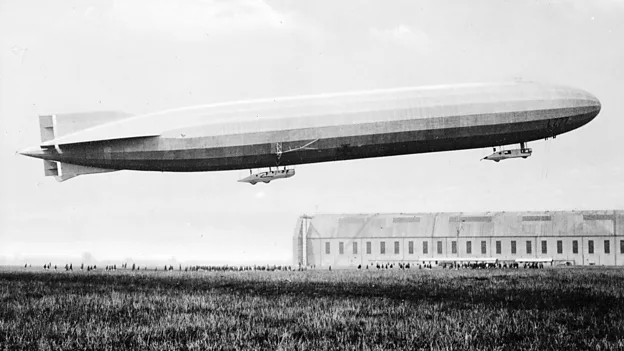
Zeppelins carried around 2000 kilograms of bombs and carried out raids on England. However they were slow and eventually the British realised they could be shot and set on fire.
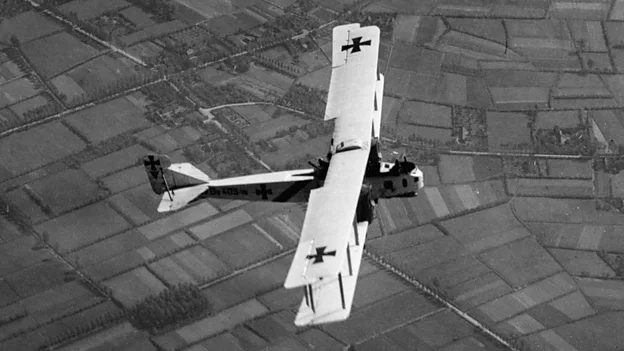
The Gotha had a 24 metre wingspan, the length of two buses. It could fly for 500 miles and carried 500 kilograms of bombs to drop on Britain.
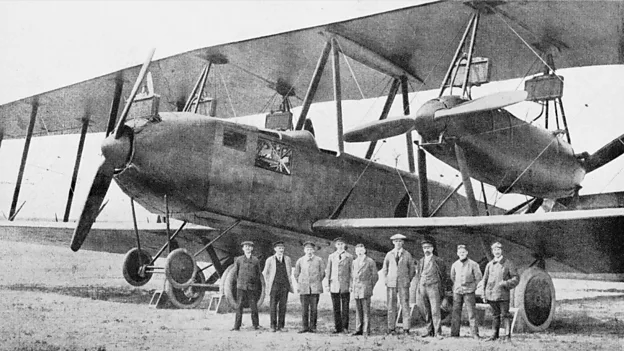
It had a 42 metre wingspan, almost as wide as a football pitch. It could carry 2000 kilograms of bombs, four times as many as the Gotha. Not one Giant bomber was shot down during the war.
It wasn’t only weapons and machinery which saw major developments.
New methods of photography, sound recording and ways to communicate changed the war too.
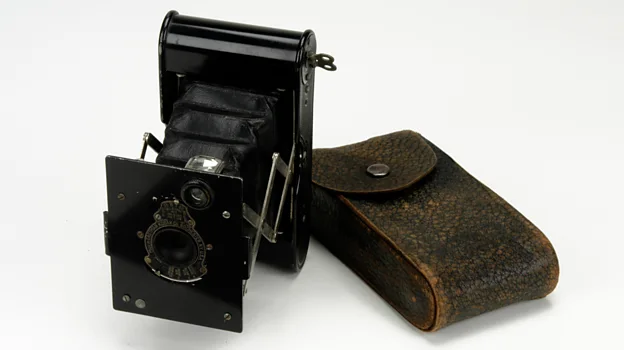
This was in case it helped the enemy to find out secrets. After 1916 official photographers took pictures and films for the army. Some new cameras were small enough for personal use.
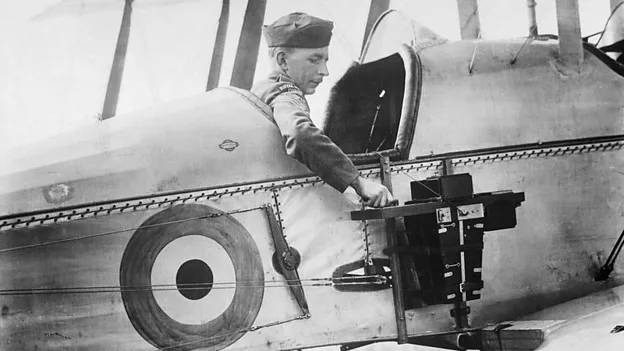
Photographs allowed the army to spy on the Germans and make maps of the trenches and front line. With these maps they planned where and how to attack.
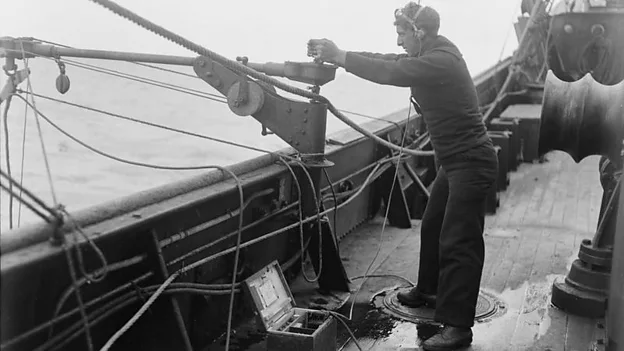
The hot-wire microphone helped troops to work out where shells had been fired from. The hydrophone was used to hear sounds under water and locate U-boats (submarines).
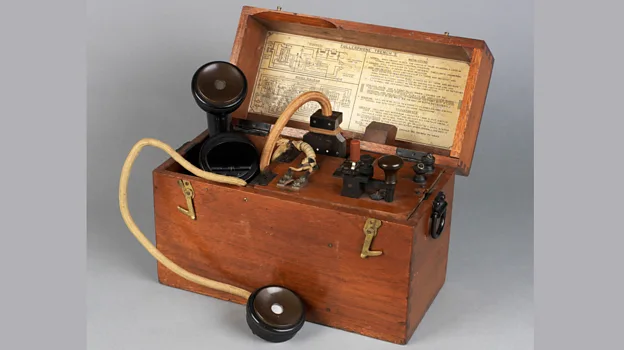
This allowed important messages to be delivered so soldiers across the front knew the plans for defence and attack. Wireless radio was also used, mainly at sea and by aircraft.
World War One was a time when lots of new inventions were being created.
Inventors and engineers worked hard to develop new technology to help people and solve problems.
Some inventions, such as cameras, telephones, and radios, became very important and are still used today.
However, many new inventions were also made to help countries fight the war.
This meant that new weapons and machines were created, making the fighting more dangerous and causing many people to be hurt or killed.
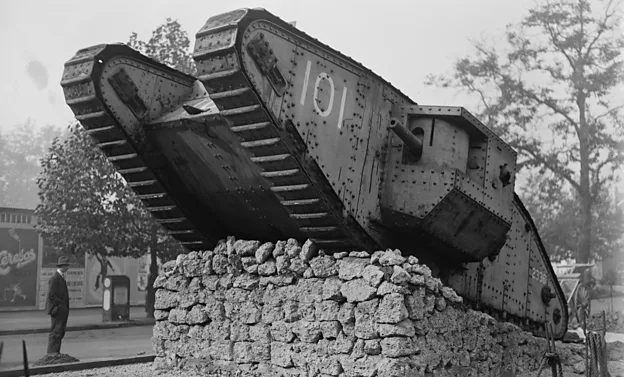 Mark I tank at the British Museum, 16 October 1919.

