Text size
Line height
Text spacing
We're currently redeveloping our website so you may see a mix of old and new style pages and forms while we complete this work..
We finish for the School Year on Friday 17th July 2026 at 13:30 & Reopen to pupils on Wednesday 2nd September 2026.
Inset Day - Tuesday 1st September 2026, School will be closed to all pupils..
Lord Kitchener’s Call for Soldiers
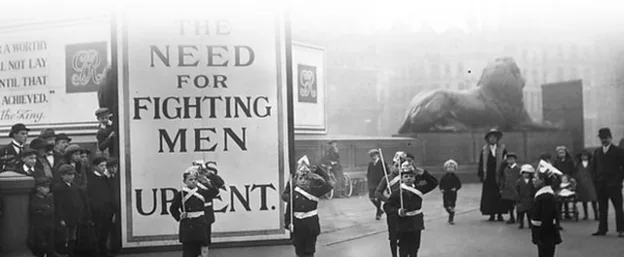
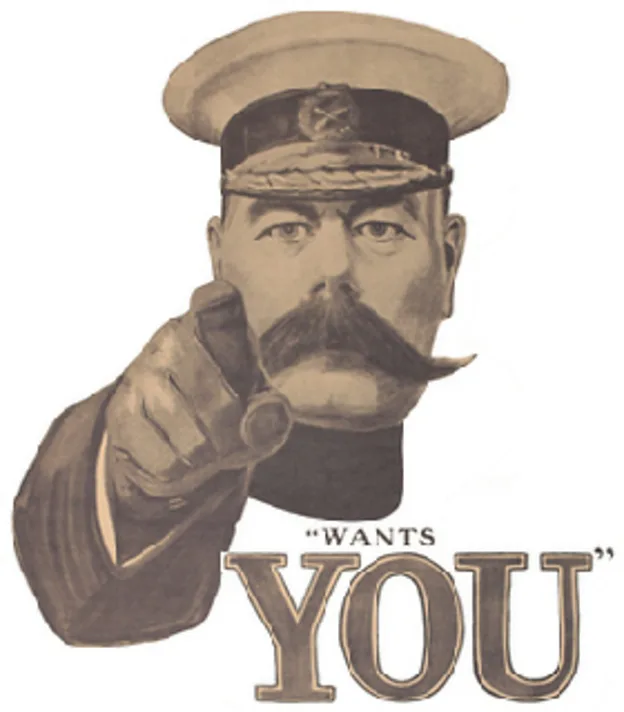
In August 1914, at the start of the First World War, Lord Kitchener thought Britain needed more soldiers.
He asked men across the country to join the army. Posters showed him pointing straight at people with the message that their country needed them.
Many men felt proud and wanted to help Britain.
To encourage people to join:
Lots of men signed up. During the first weekend of the war, around 3,000 men joined the armed forces each day.
By the end of 1914, more than 1.1 million men had enlisted to serve in the army.
Only men aged between 18 and 41 could become soldiers. (The age limit was increased to 51 in April 1918.)
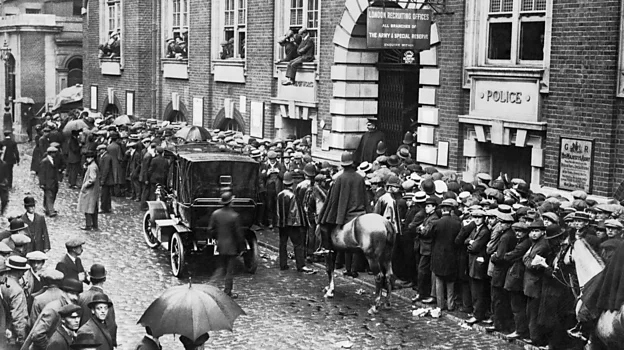
Some men failed the medical test. Others had 'reserved occupations', like working in coal mines, shipyards, munitions factories and farms, which meant they stayed in Britain.
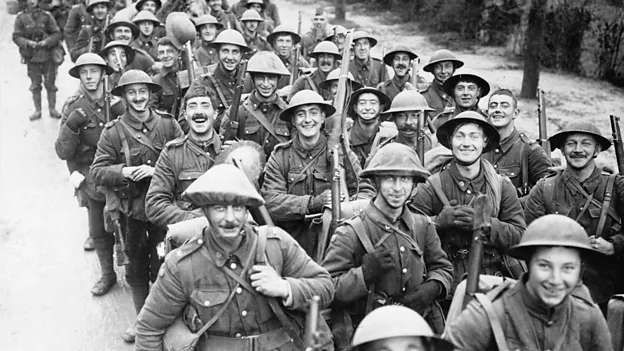
They wanted to be treated like men and thought war would be exciting. Many lied about their age. Some boys as young as 13 or 14 went to war.
The Government wanted as many men as possible to join the forces willingly.
But in 1916 a law was passed to say men had to join whether they wanted to or not. This was called conscription.
One famous Pals Battalion was made up of about 700 men from Lancashire.
When the soldiers left the town of Accrington, more than 15,000 people came out to wave flags, cheer, and say goodbye.
On 1 July 1916, the soldiers took part in a battle near the River Somme.
Sadly, in just 20 minutes, 235 of the Accrington Pals lost their lives and more than 350 were injured.
The news made people in Accrington very sad. Many families lost loved ones, and some families lost all of their male relatives on the same day.
Some men refused to fight for moral or religious reasons. They said their consciences would not allow them to kill.
There were about 16,000 conscientious objectors.
Some were allowed to do non-fighting work, such as farming or as stretcher-bearers on the battlefields.
Thousands more were sent to prison. They were often treated harshly there.
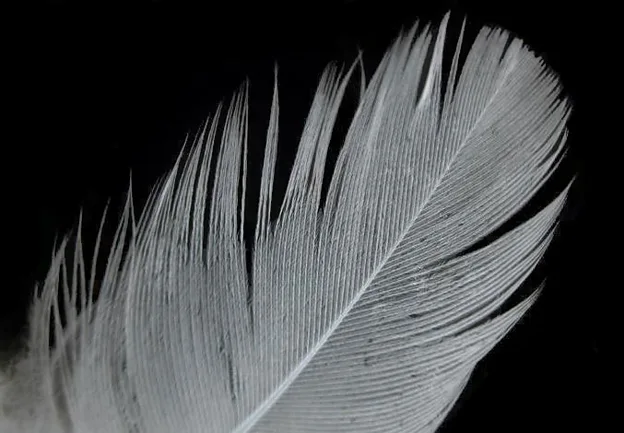 A group called The Order of the White Feather tried to make men feel ashamed.
During the First World War, a white feather was sometimes given to men who were not wearing a military uniform.
People used the white feather to suggest that a man was scared to fight.
They hoped it would make him join the army.
However, this was not fair. There were many reasons why a man might not be in uniform. For example, he could have been too young, too old, unwell, or doing an important job at home.
Today, we understand that it was wrong to judge people without knowing their situation.
During the war, millions of British men were injured or lost their lives.
The government needed more people to join the armed forces, so encouraging people to sign up became an important part of everyday life.
By the end of the war, nearly 1 in every 4 men in Britain had served in the armed forces.