Text size
Line height
Text spacing
Inset Day - Tuesday 1st September 2026, School will be closed to all pupils..
Autumn Term commences on Wednesday 2nd September 2026 for all pupils...
Updated Dinner Menus - Click here to view the updated menus
Propaganda is information that is used to try to persuade people to think or feel a certain way.
During the war, stories were shared about bad things that Germany had done. These stories were meant to make people feel worried, angry, or scared so they would support Britain in the war.
However, not all of the stories were true. Germany also shared similar stories about Britain to persuade its own people.
This shows that it is important to think carefully about information and check whether it is true before believing it.
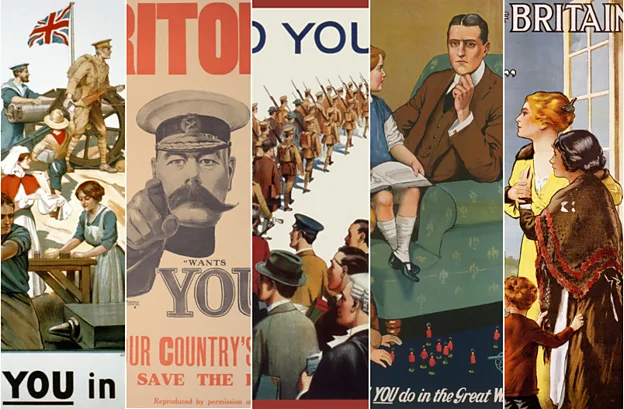
What the public thought about the war really mattered.
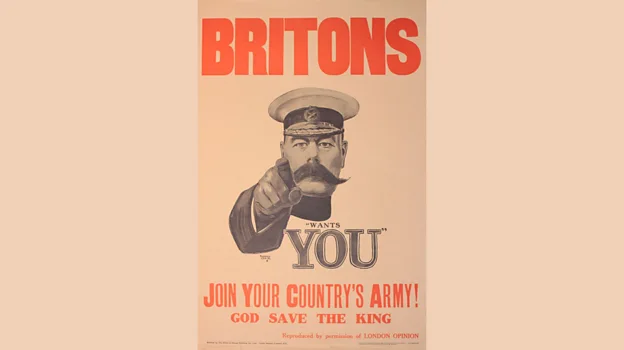
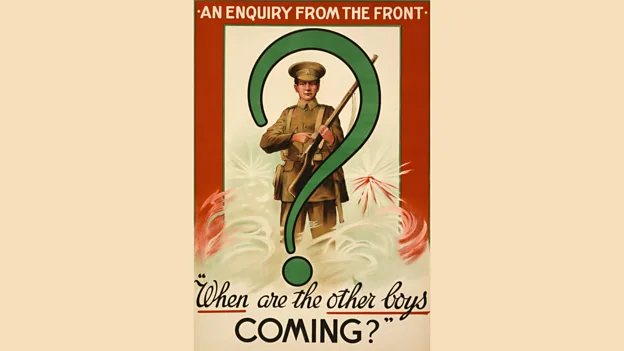
The government needed to recruit lots of soldiers and wanted people to support them.
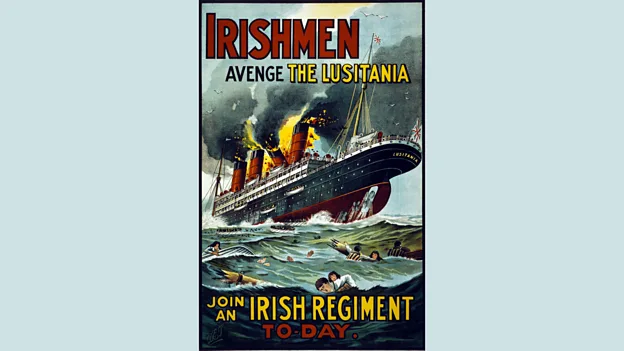
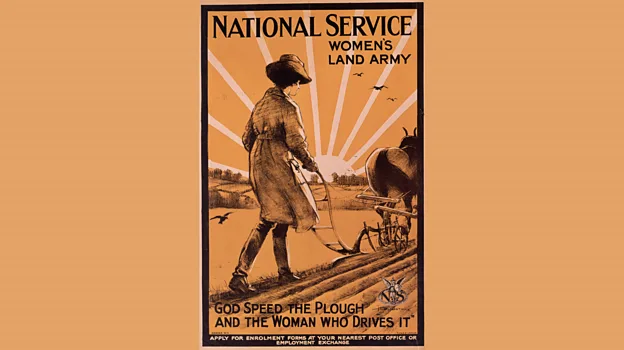
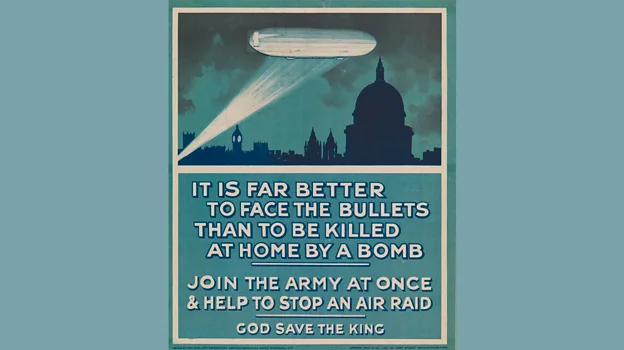
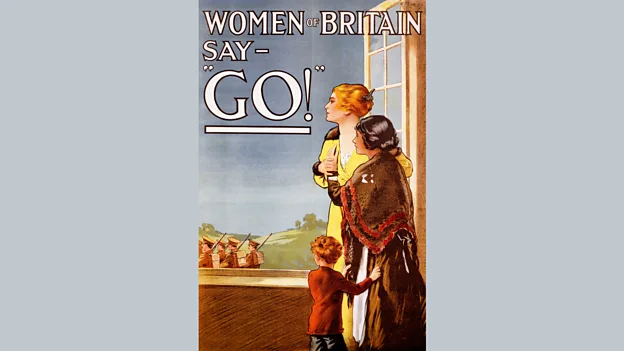
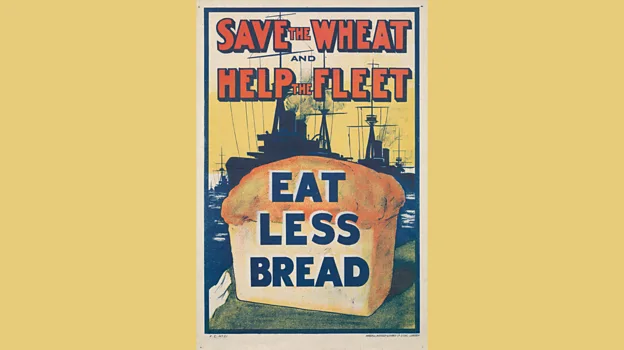
Posters were printed that made the army look exciting.
Other posters told men it was their duty to join, that they would feel proud if they did and guilty or embarrassed if they didn't join.

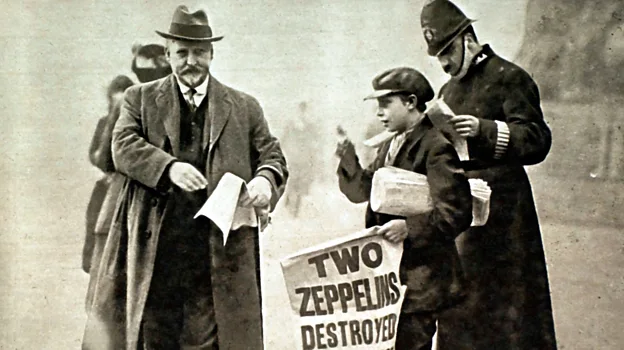
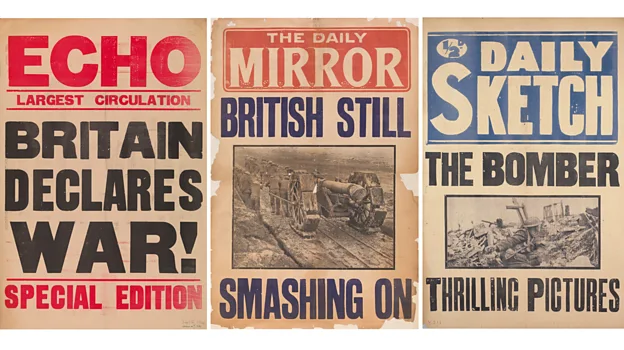
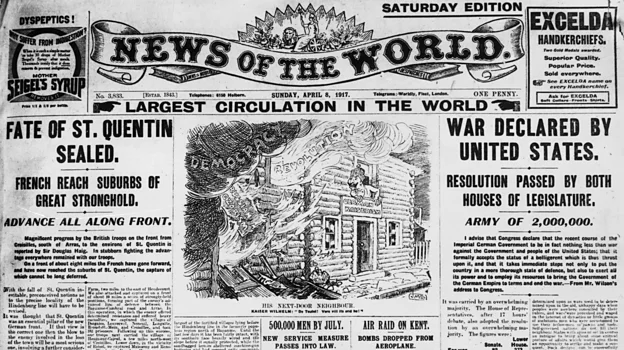
At the start of the war, journalists were not allowed to report on what was happening on the Western Front.
Some journalists found secret ways to get there. One journalist, Basil Clarke, even hid on a train carrying French soldiers.
In April 1915, the rule changed and some journalists were allowed to visit the front line and report on the war.
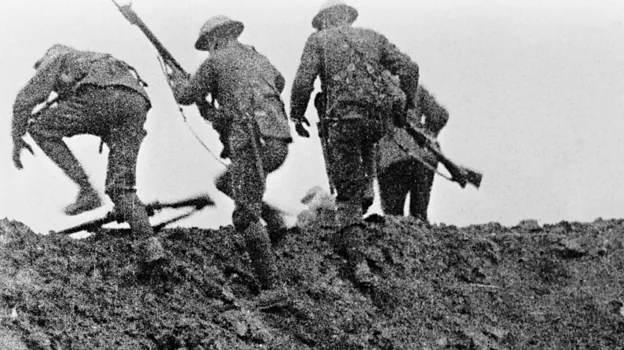
In August 1916, a famous film about The Battle of the Somme was shown in cinemas across Britain.
Some parts of the film were acted, but most of it showed real events from the war.
About one million people watched the film in the first six weeks after it was released.
For the first time, people at home could see soldiers in the trenches, guns being fired, and injured soldiers.
The film helped people learn what life was really like on the front line.
Although some scenes were sad and upsetting, many people were glad they could finally see what was happening during the war.
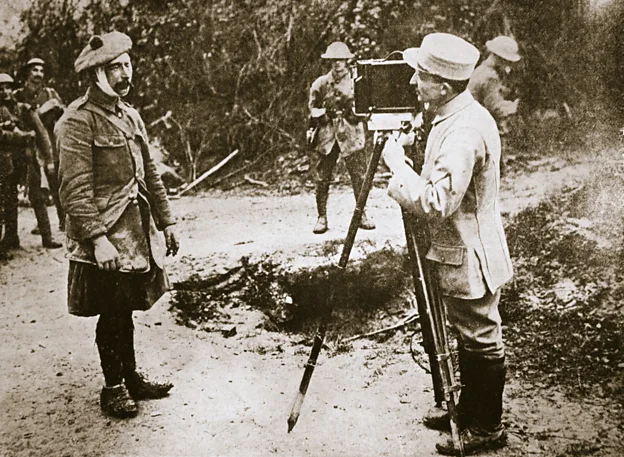 A French cameraman films a wounded Scottish soldier at the Somme in 1916.