Text size
Line height
Text spacing
Inset Day - Tuesday 1st September 2026, School will be closed to all pupils..
Autumn Term commences on Wednesday 2nd September 2026 for all pupils...
Updated Dinner Menus - Click here to view the updated menus
Before 1914, many wars were fought by soldiers riding horses.
During World War One, however, the muddy ground, barbed wire, and machine guns made it too dangerous and difficult for horses to be used in battle.
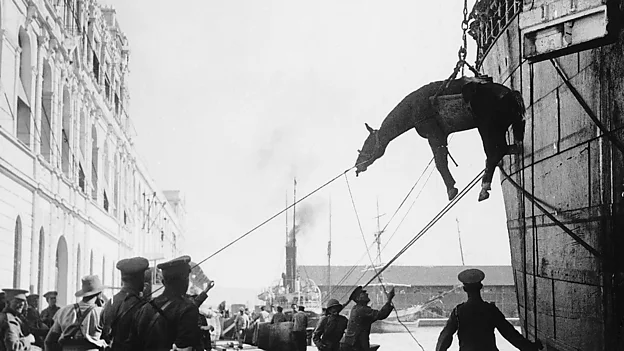
Instead, millions of horses helped by carrying soldiers, food, equipment, and supplies.
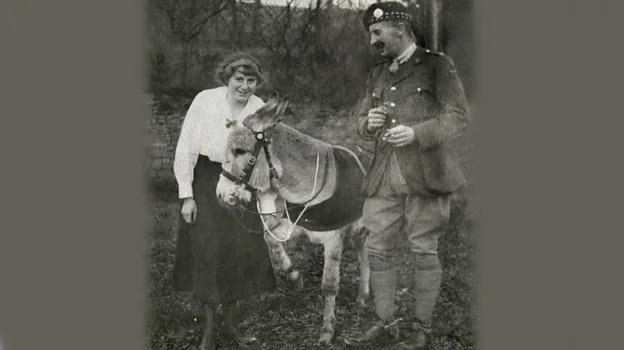
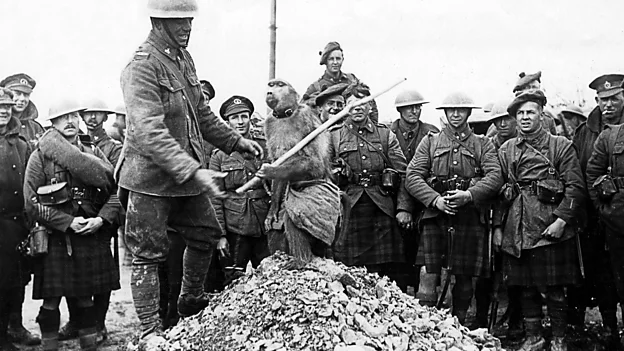
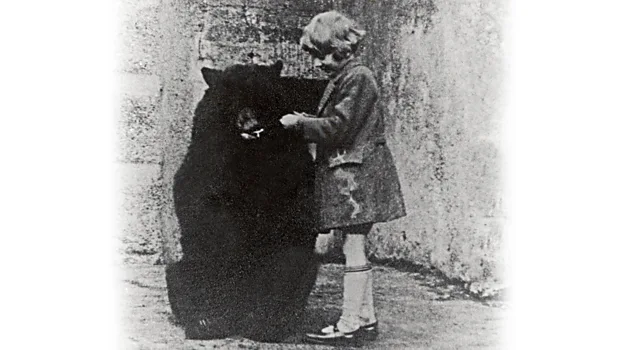
Many other animals also helped during the war. Some worked alongside the soldiers, while others became mascots and brought comfort to the troops.
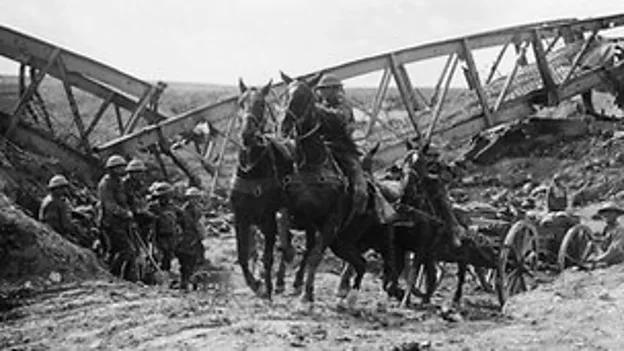
Many types and breeds of animals were well-suited to perform tasks such as guarding trenches, finding wounded soldiers and carrying messages.
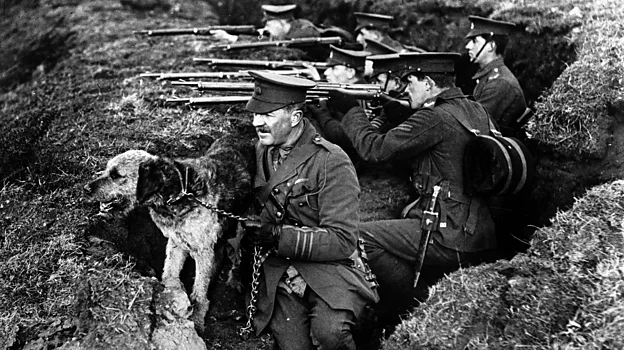
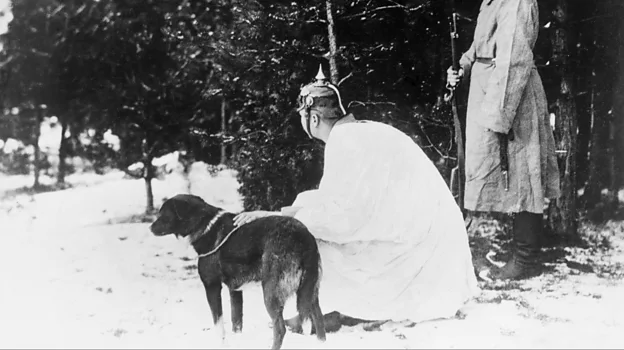
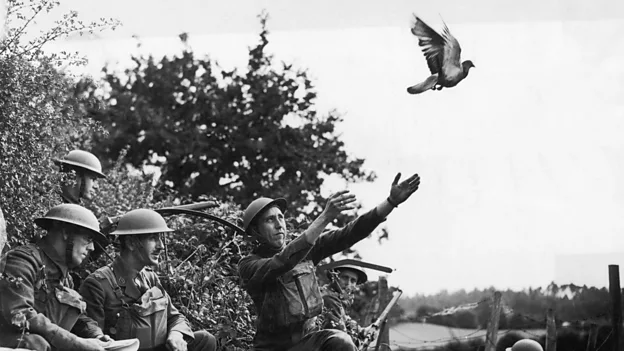
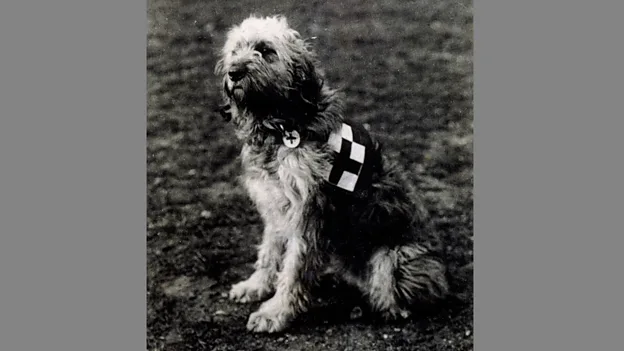
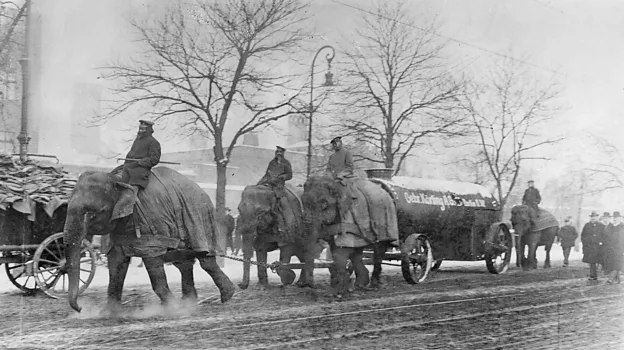
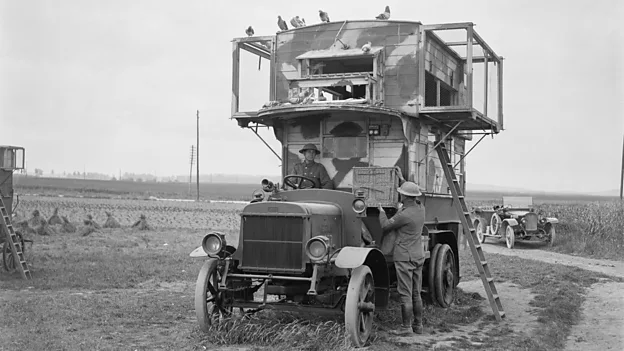
There are many stories of animals who became companions to soldiers.
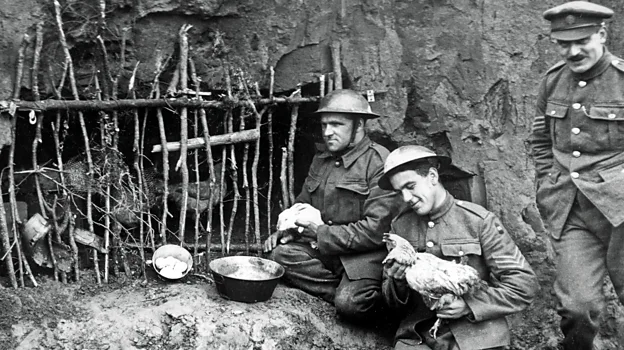
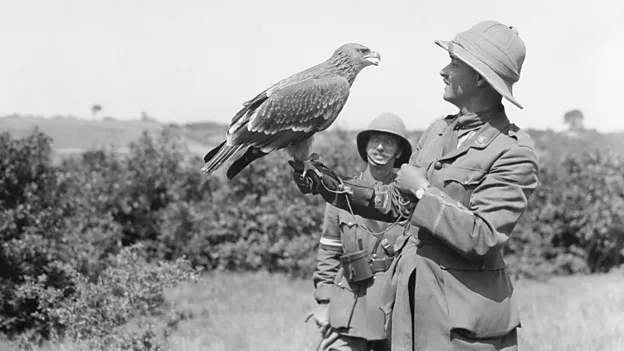
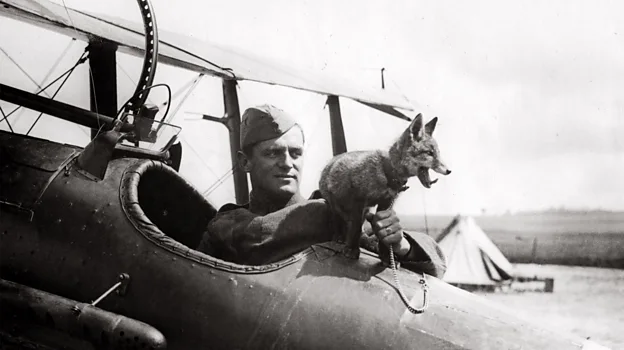
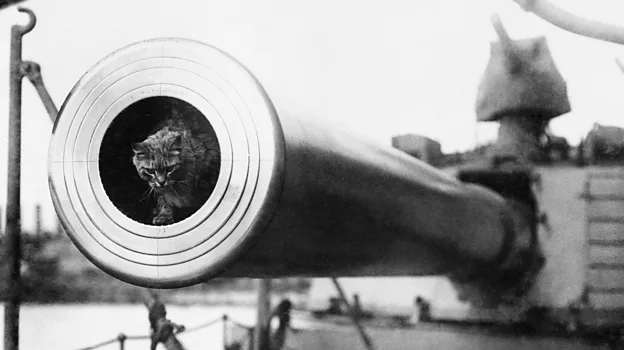
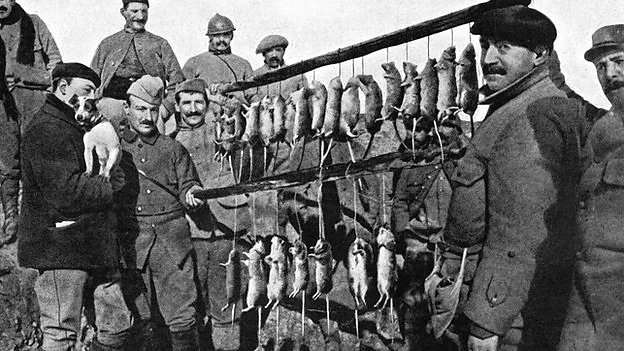 Dogs made excellent rat catchers. This terrier hunted in French trenches, September 1916.
Not all animals were liked by the soldiers. Rats lived in the trenches and fed on leftover and rotting food. They could have hundreds of babies each year, so there were lots of them.
Soldiers disliked rats because they smelled bad and could spread diseases. They tried many ways to get rid of them.
However, rats were sometimes helpful. Some soldiers noticed that rats would suddenly run away before an attack. This could warn them that enemy soldiers were nearby or that danger was coming.
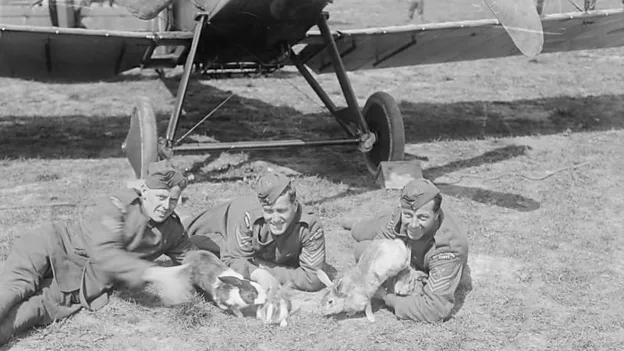 Men of No. 59 Squadron RAF with their pet rabbits at Vert Galland Aerodrome, 15 May 1918.
Animals were essential for both sides in World War One.
As well as working hard, they were important for morale. Soldiers were able to show their caring side by looking after animals.
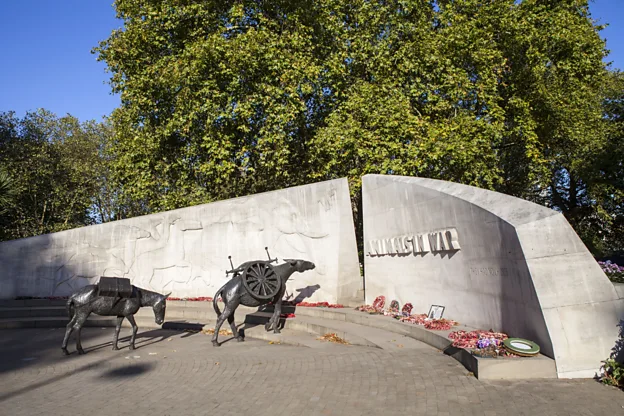 The Animals in War Memorial in London has been in Hyde Park since 2004.
In 2004, a special memorial was opened in London to remember the animals that helped and died during wars, including World War One.
Money for the memorial was raised by people across the country.
The memorial has two important messages written on it.
The first message honours all the animals that served alongside British and Allied soldiers in wars.


