Text size
Line height
Text spacing
Inset Day - Tuesday 1st September 2026, School will be closed to all pupils..
Autumn Term commences on Wednesday 2nd September 2026 for all pupils...
Updated Dinner Menus - Click here to view the updated menus
The seaside is a wonderful place full of golden beaches, crashing waves, and amazing sea creatures! The ocean covers over 70% of our planet and is home to thousands of plants and animals. Let’s explore the seaside and the deep blue sea together! 🌊🐚
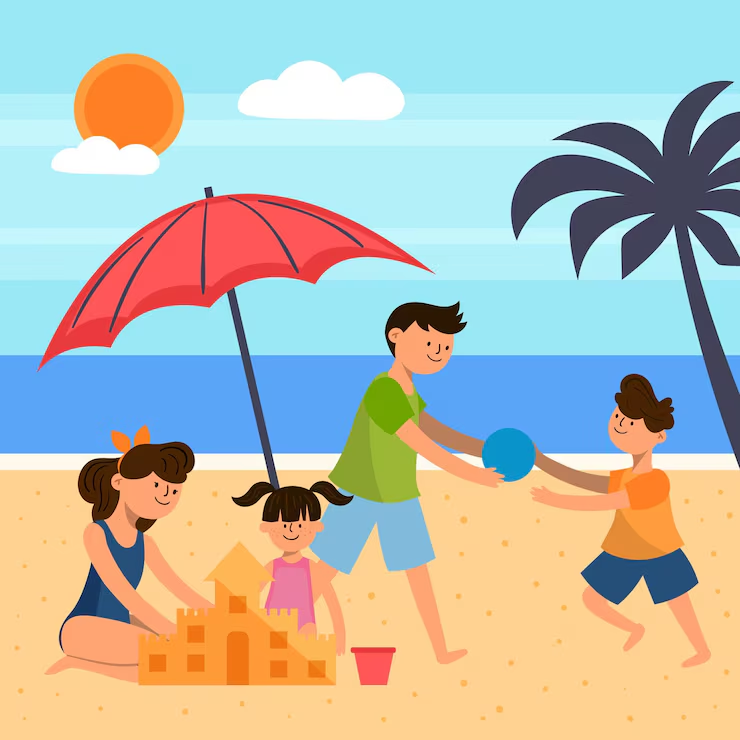
The seaside is where land meets the ocean. It is a place where people love to:
✔ Build sandcastles 🏰
✔ Swim in the sea 🏊♂️
✔ Look for seashells 🐚
✔ Eat ice cream 🍦
✔ Watch the waves 🌊
Some beaches have soft golden sand, while others have small pebbles and rocks. Seaside towns often have piers, lighthouses, and funfair rides! 🎡
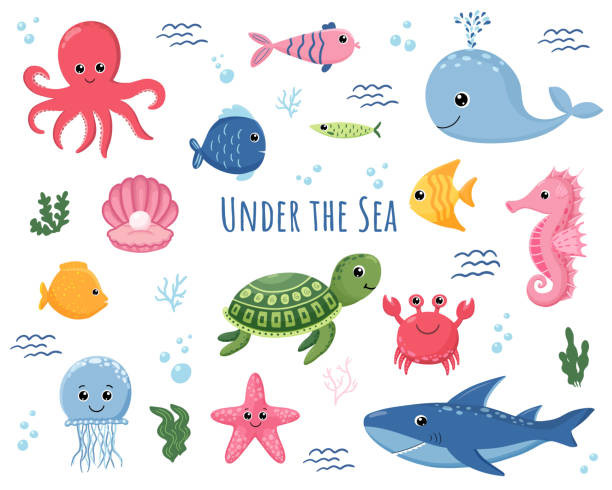
The ocean is home to millions of amazing creatures! Some live near the beach, and others swim in the deep sea.
🐠 Fish – Clownfish, sharks, and seahorses!
🐬 Mammals – Dolphins and whales!
🐢 Reptiles – Turtles swim in warm waters.
🐙 Octopuses – Super smart with eight tentacles!
🦀 Crabs – Scurry across the sand with their claws.
🦈 Sharks – The kings of the ocean!
Did you know? 🤔 The blue whale is the biggest animal in the world – it’s as long as three buses! 🐋
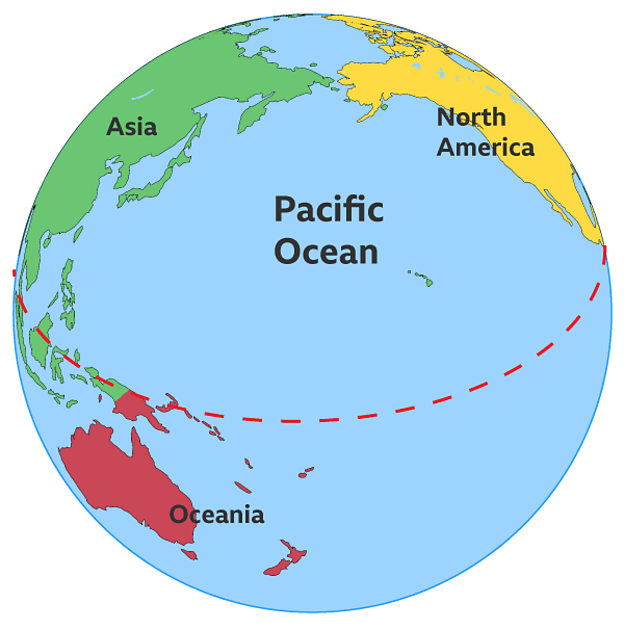
The Pacific Ocean is the world’s largest ocean. It covers about a third of the Earth.
The Pacific Ocean stretches from the continents of Asia and Oceania on the east, to North and South America on the west. It also stretches across both sides of the Equator, which is shown in this picture by the red dotted line.
The Equator splits the Pacific Ocean into two parts: The North Pacific and the South Pacific.
The world’s second largest ocean is the Atlantic Ocean. It covers about a quarter of the Earth.
To the west of the Atlantic Ocean are the continents of North and South America. Europe and Africa are to the east.
As with the Pacific, the Equator splits the Atlantic Ocean into two parts: The North Atlantic and South Atlantic.
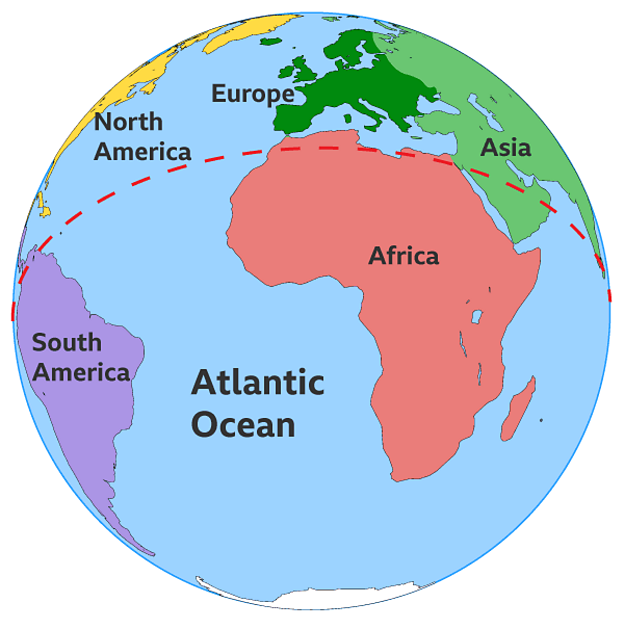
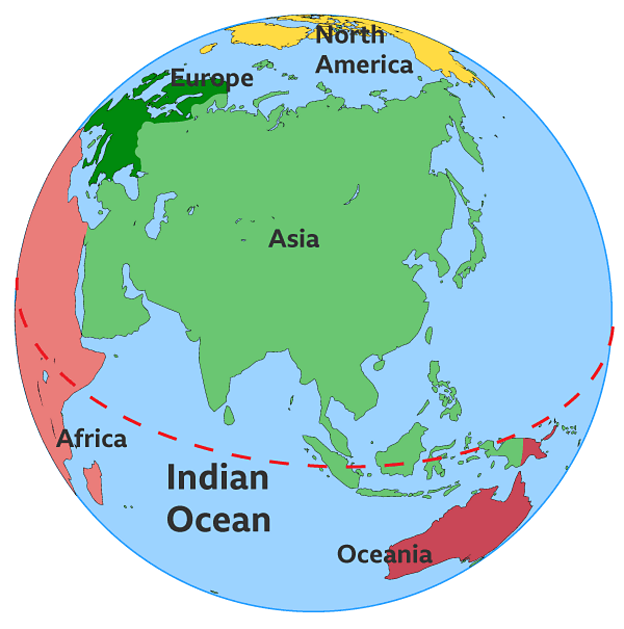
The Indian Ocean is the third largest ocean.
It is in between the continents of Africa, Asia and Oceania.
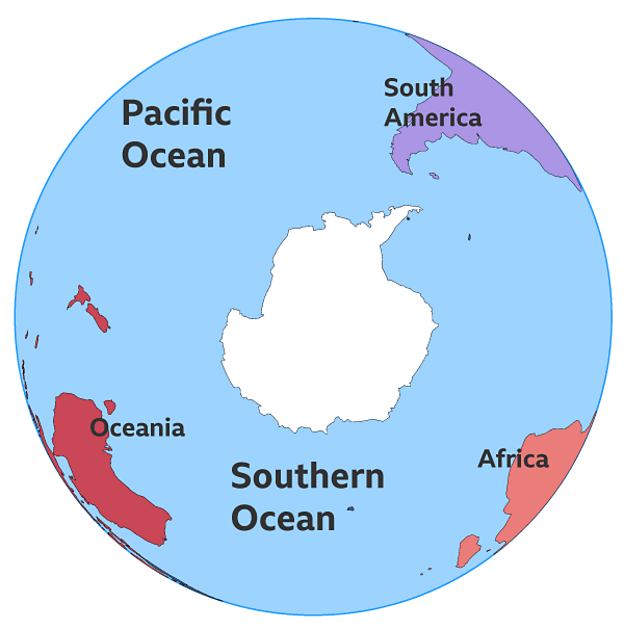
The water surrounding Antarctica is called the Southern Ocean. It is near the South Pole. It is very cold and there are icebergs floating in the water, even in the summer.
The Southern Ocean is the second smallest ocean.
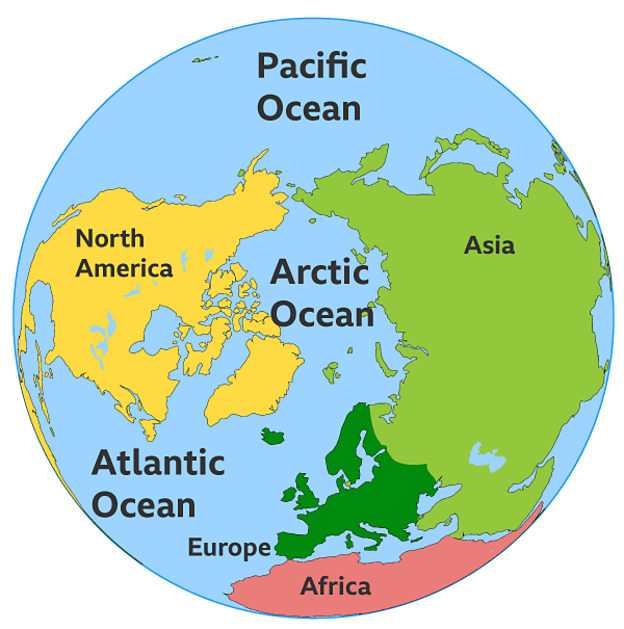
The smallest and shallowest ocean is the Arctic Ocean. It surrounds the Arctic and the North Pole.
The Arctic is the coldest of all the oceans. Most of the Arctic Ocean is covered with ice all year.
🏖 Sand – Soft and golden or full of tiny shells.
🦀 Rockpools – Tiny pools of water where you can find crabs, starfish, and small fish!
🏄♂️ Waves – Perfect for surfing and splashing in!
🎡 Seaside Fun – Ferris wheels, donkey rides, and ice cream stalls.
Did you know? 🤔 Some beaches glow at night because of tiny glowing sea creatures called bioluminescent plankton! 🌟
The ocean helps keep our planet healthy!
🌬 It gives us oxygen – The ocean makes more than half of the air we breathe!
🐠 It’s home to millions of animals – More than 80% of life on Earth lives in the ocean!
🌊 It controls our weather – The ocean helps make rain, storms, and winds.
🚢 People use the ocean for travel and fishing – Boats sail across the world’s oceans every day!
Sadly, the ocean is in danger because of pollution and plastic waste. We can help protect it by:
✔ Throwing rubbish in the bin, not the sea! 🗑
✔ Using less plastic – Say no to plastic straws and bags! ♻️
✔ Taking care of sea creatures – Never touch or harm ocean animals! 🦀
✔ Saving water – The less we waste, the more stays in nature! 💧
Did you know? 🤔 A plastic bottle can take 450 years to break down in the ocean! 🏖
✔ The biggest wave ever was 25 meters high – as tall as a building! 🌊
✔ Some ocean creatures glow in the dark to scare off predators! ✨🐙
✔ Sea turtles always return to the same beach to lay their eggs! 🐢
✔ The deepest part of the ocean is called the Mariana Trench – it’s over 11,000 meters deep! 🤯