Text size
Line height
Text spacing
Inset Day - Tuesday 1st September 2026, School will be closed to all pupils..
Autumn Term commences on Wednesday 2nd September 2026 for all pupils...
Updated Dinner Menus - Click here to view the updated menus
Astronauts survive in space thanks to special equipment and technology that helps them stay safe and healthy.
Space is a very dangerous place but here's how they stay safe.
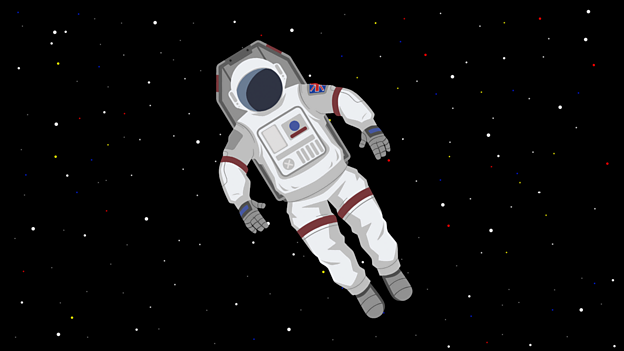
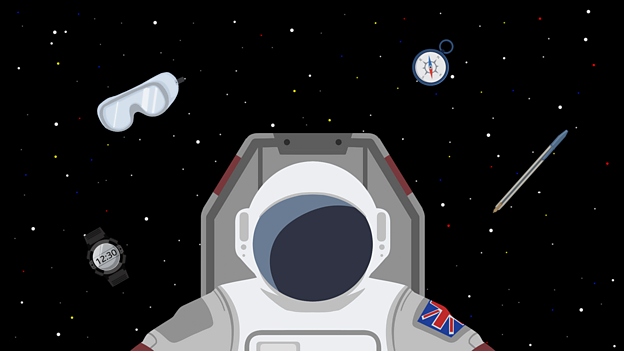

You might have dreamed of floating in space: the International Space Station (ISS) glinting in the sunshine beside you and the Earth hanging below. It might sound like a beautiful and calm place, but space comes with a serious health warning.
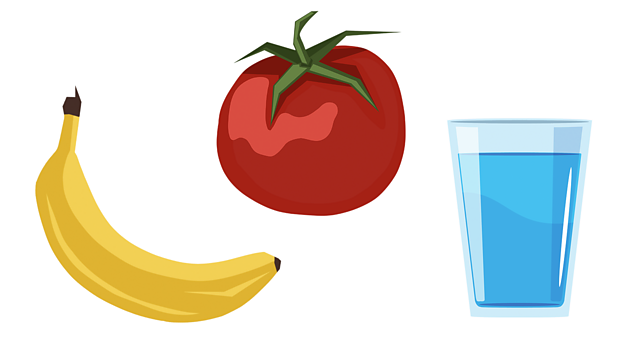
If you stepped out into space without the proper equipment you’d only last a few seconds. The ISS needs to recreate the conditions of Earth in space. Astronauts need air to breathe, water to drink and a stable environment.
Yet, even within the safety of the ISS, there are invisible dangers that push the human body to its limits.
What’s it like for the men and women who have to live and work on the final frontier?
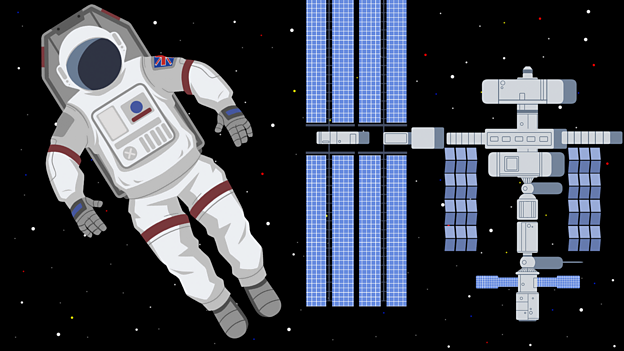
Tim Peake explains how spacesuits keep astronauts alive when they're outside the space station. Archive: NASA
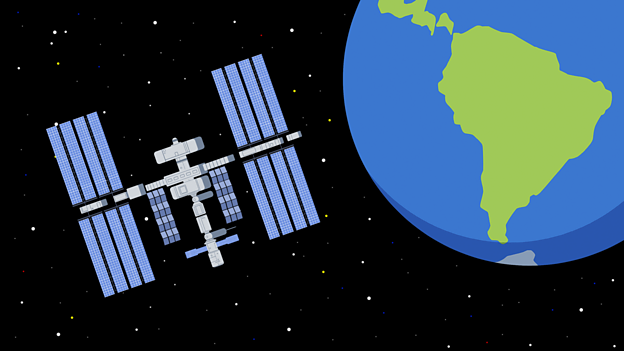
Explore the gallery below to find out what day-to-day life is like for astronauts on board the International Space Station (ISS).
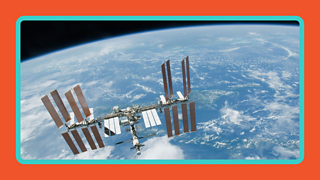
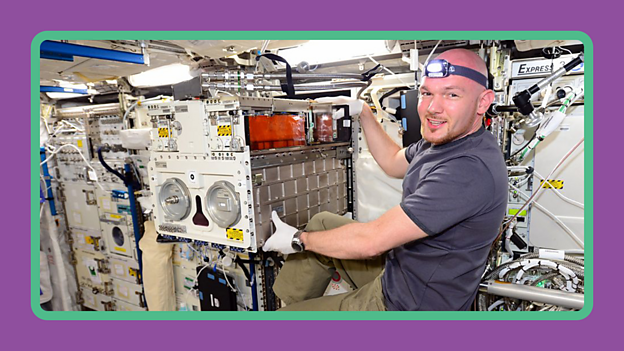
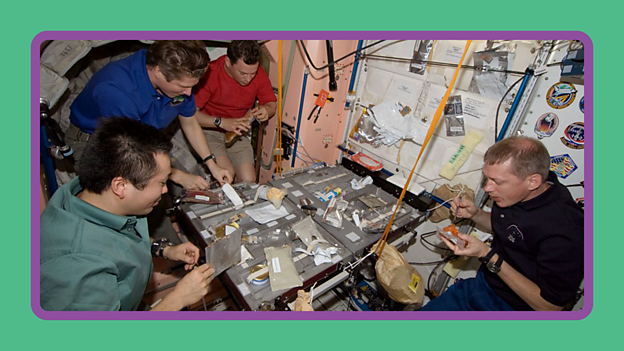
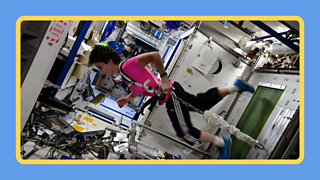
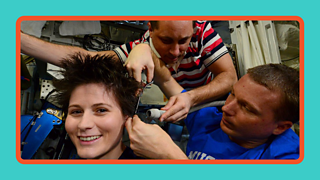
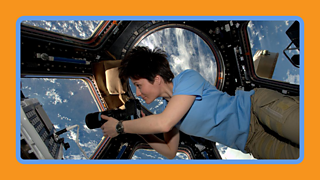
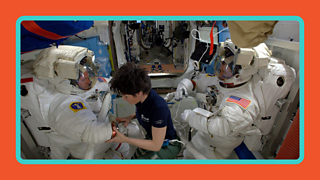
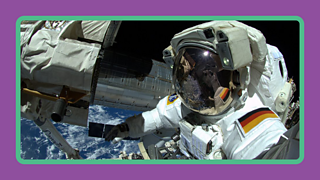
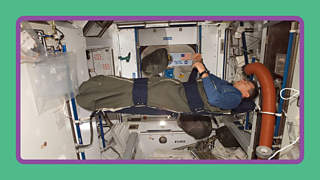
The ISS travels at a speed of five miles per second
It completes 16 orbits of Earth every 24 hours.
This means that astronauts can see as many as 16 sunrises every day.
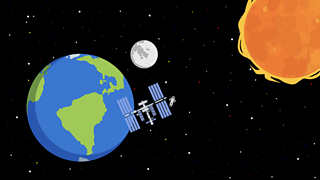
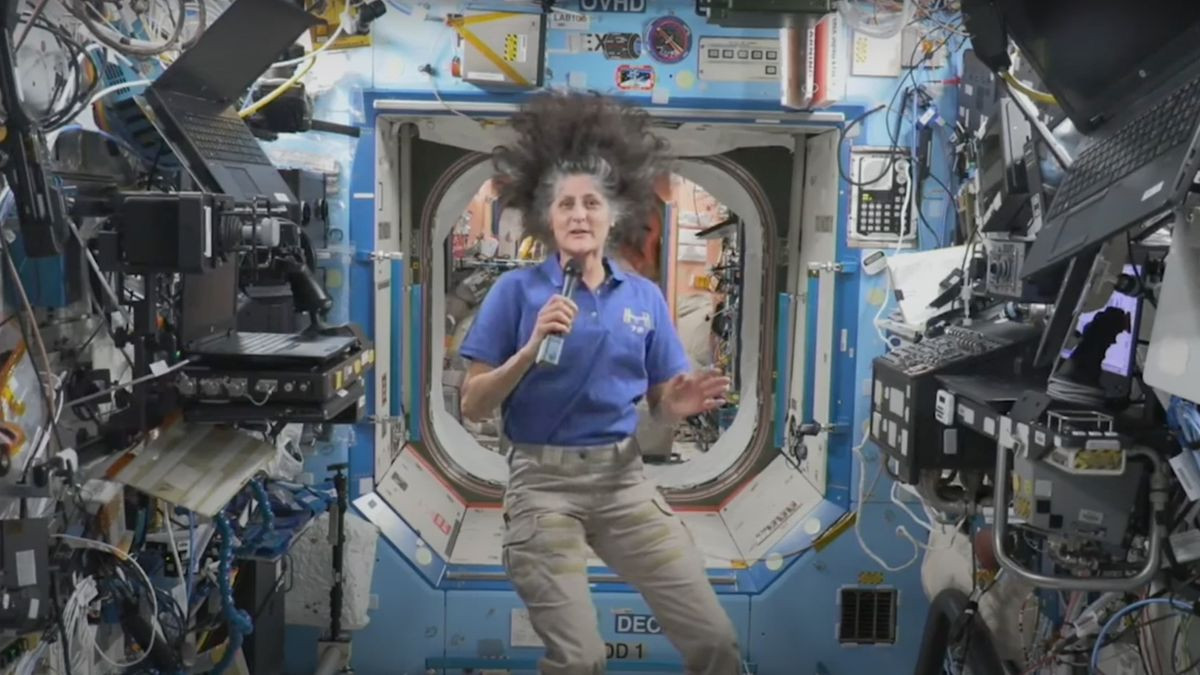
There isn’t an up or down in space, like we’re used to on Earth, so your brain can become confused. Astronauts often complain of feeling sick during the first few weeks on the ISS and their bodies usually take a little time to adjust.
Living in space has been described as being a bit like standing on your head. With less gravity pushing down on you, fluids tend to pool in the upper parts of the body. This gives astronauts a puffy, red face.
On the ISS the pull of gravity isn't as strong as on Earth. Your muscles don’t need to work as hard and your bones weaken. Each crew member has a strict daily exercise routine to make sure they don’t waste away.
Your heart muscle gets weaker as well, as it requires less effort to pump blood around the body in microgravity. Astronauts also typically grow a few centimetres taller in space.
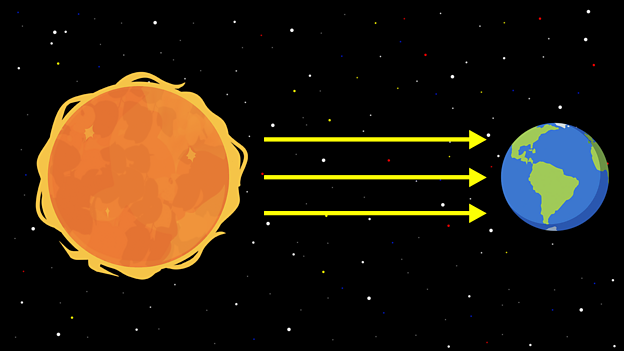
Without the Earth’s atmosphere to protect them, astronauts are constantly bombarded by cosmic rays. These invisible waves zap the body and increase the risk of diseases.
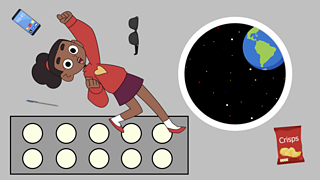
Fran Scott explores what happens to the body in a vacuum. Archive: ESA, NASA
When astronauts land back on Earth, they are often carried out of the capsule because their leg muscles are too weak from their time in space.
Astronauts – A person trained to travel in space. In Russia they are known as cosmonauts.
Cosmic rays – High energy particles that travel through space. They come from our Sun and from outside of our Solar System.
Gravity – A force that pulls things to the ground on Earth. It also holds planets, moons and asteroids in their orbits around the Sun.
International Space Station (ISS) – The largest space station ever built. It orbits the Earth in low orbit. Five international space agencies collaborate to keep it operational.
Radiation – Energy that moves from one place to another in waves or particles.
Spacesuits – A suit that protects astronauts from the harsh environment of space. It keeps the astronaut warm, provides air and water and protects them from cosmic rays.
Weightlessness – In space there is no gravity. Astronauts can float around and are weightless.

