Text size
Line height
Text spacing
We're currently redeveloping our website so you may see a mix of old and new style pages and forms while we complete this work..
Inset Day - Tuesday 1st September 2026, School will be closed to all pupils..
Autumn Term commences on Wednesday 2nd September 2026 for all pupils...
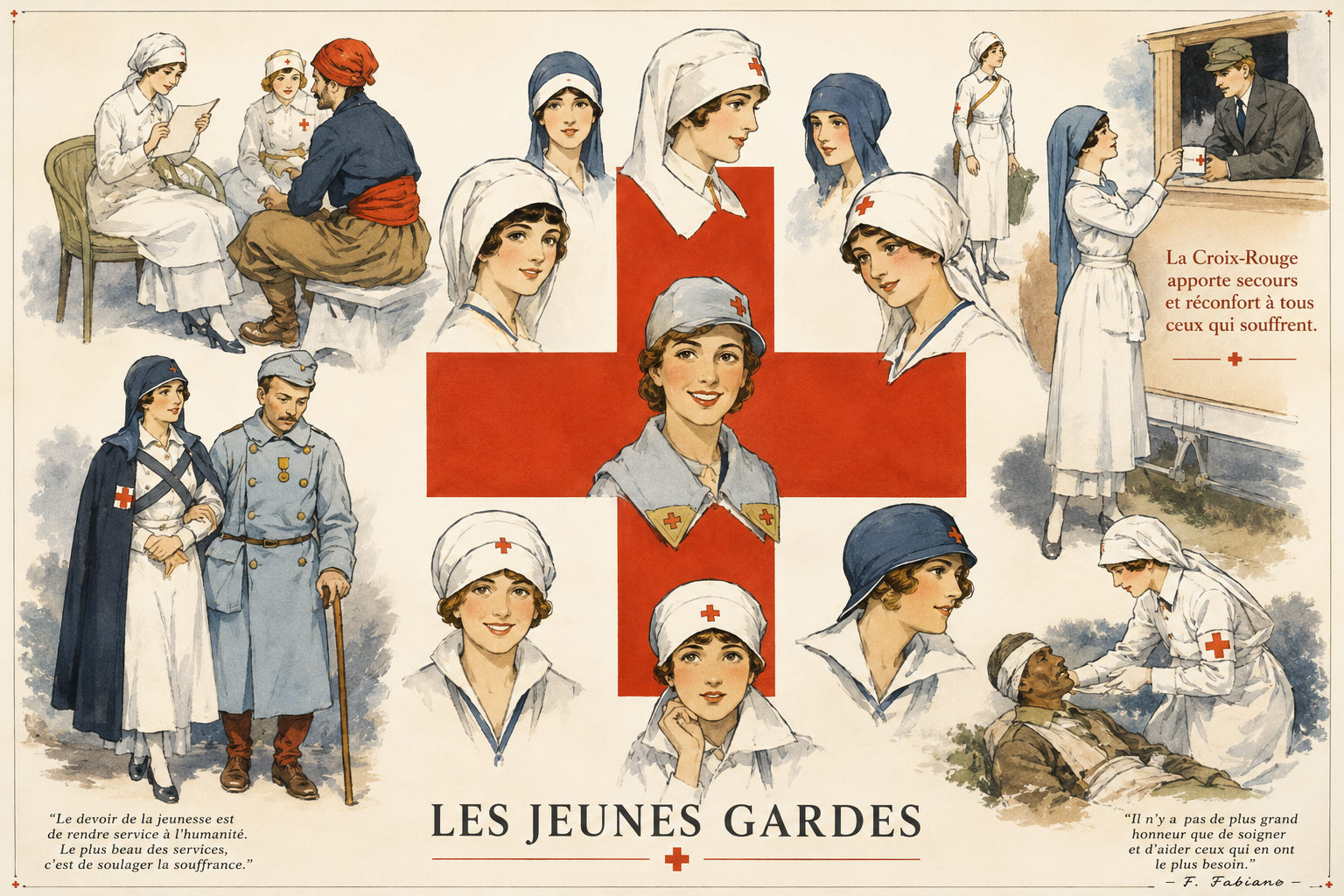 Red Cross nurses by Fabien Fabiano for French magazine 'La Baionette', 1915
The war was a time of change for the treatment of injuries and illness.
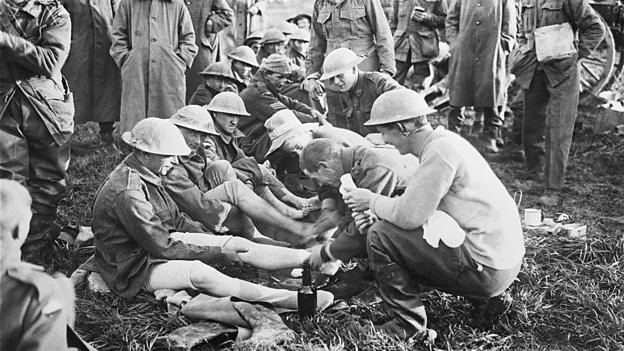
Injured and sick soldiers needed to be treated quickly so they could go back to fighting as soon as possible.
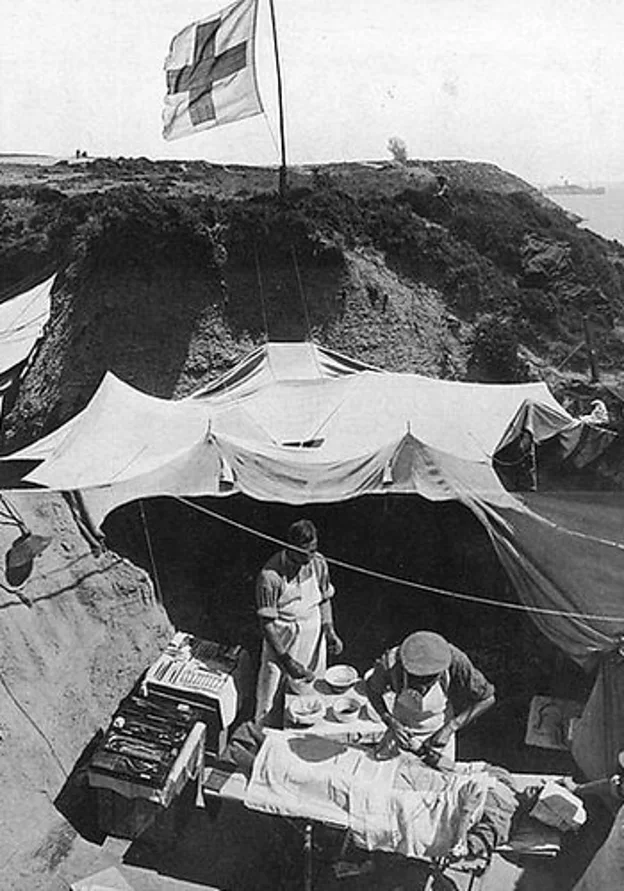
Casualty stations were set up near battlefields, some by the Red Cross.
Female volunteers worked as nurses and drove ambulances.
Most worked 14-hour days and sometimes even longer when there were lots of injured soldiers.
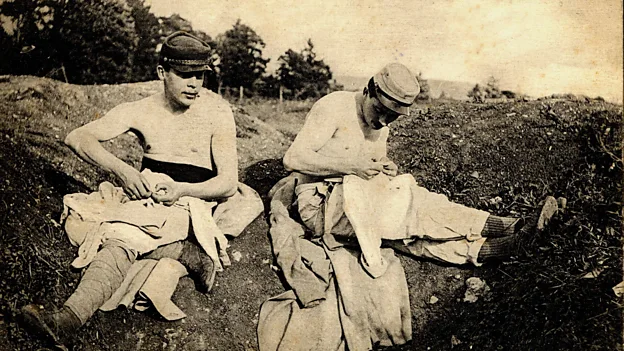
Soldiers not only took injuries in battle. They also suffered from illnesses and diseases caused by the dreadful conditions in the trenches.
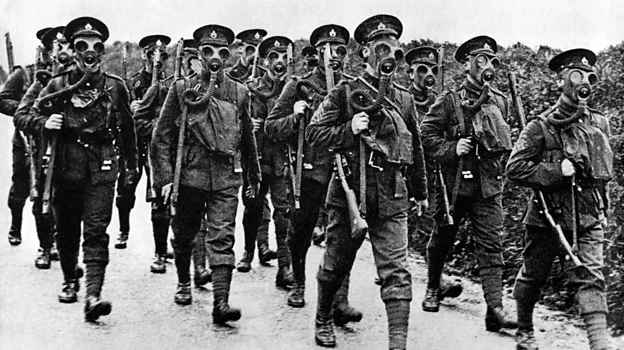
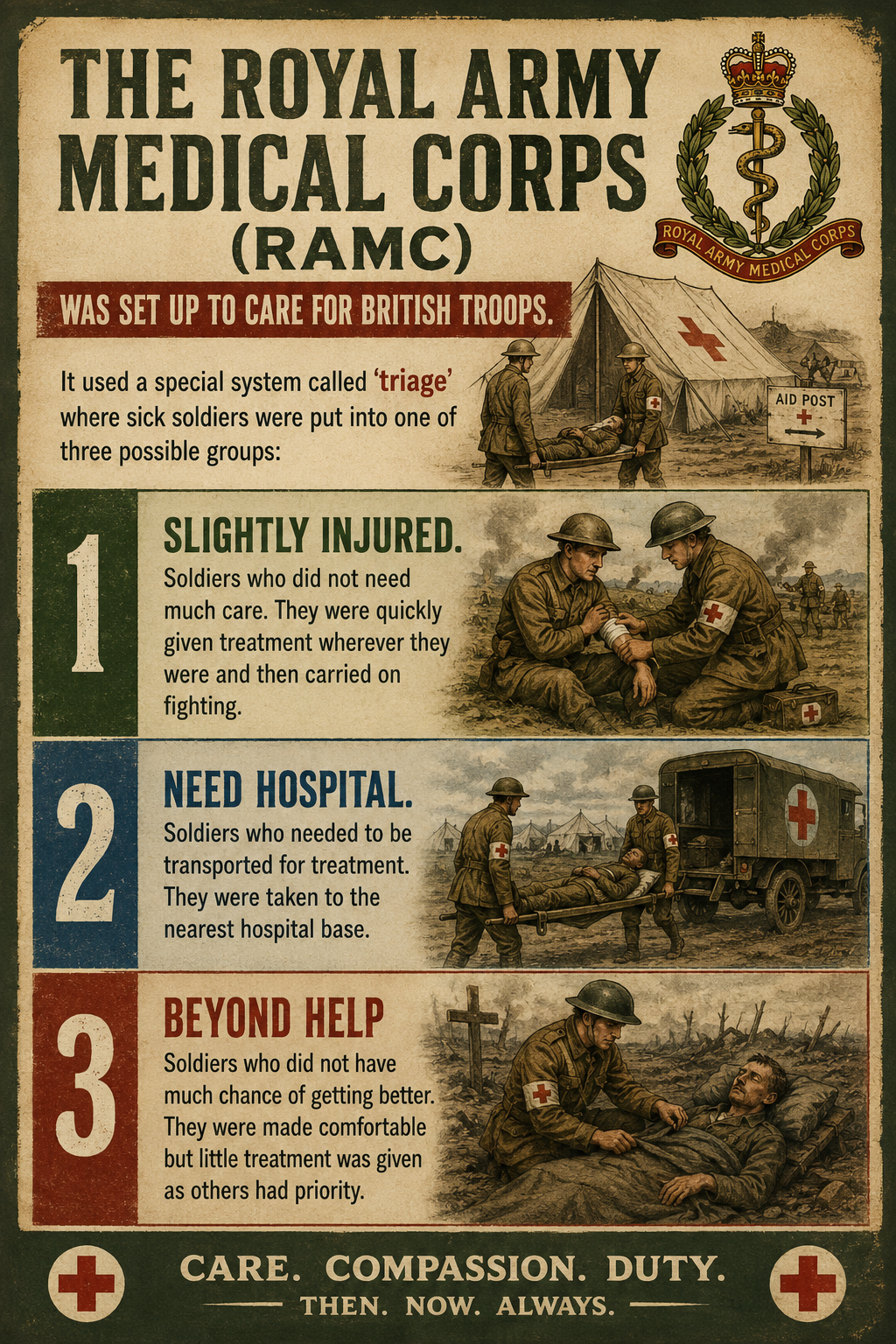
The Royal Army Medical Corps (RAMC) was set up to care for British troops.
It used a special system called 'triage' where sick soldiers were put into one of three possible groups:
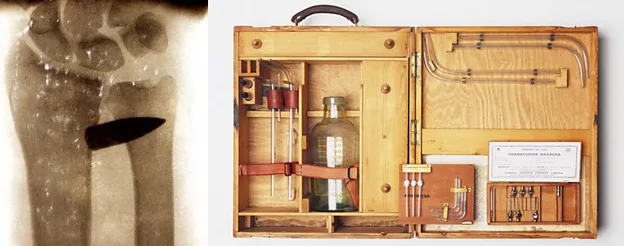 Left: an X-ray showing a bullet in the body. Right: blood transfusion apparatus, 1914-1918.
During World War One, X-ray machines helped doctors see where bullets were inside a soldier’s body. This made it easier for surgeons to carry out operations and save lives.
Doctors also learned how to store blood safely. This meant they could give blood transfusions to injured soldiers who had lost a lot of blood.
Before these medical advances, many soldiers with serious burns, injuries, or illnesses would not have survived. Thanks to new treatments, many more lives were saved.
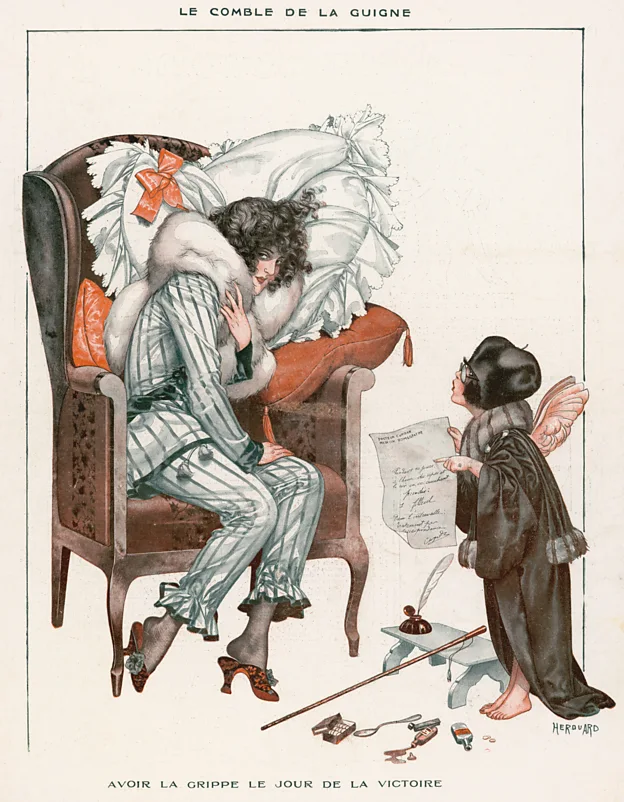
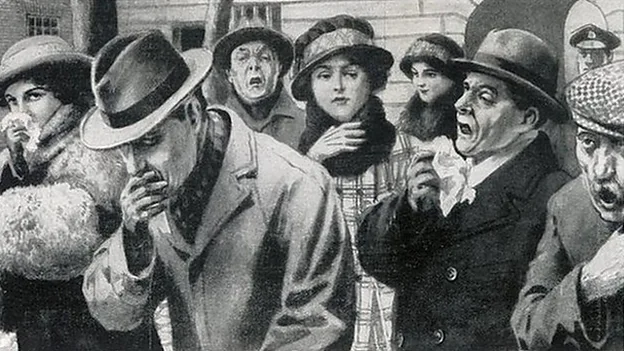
In March 1918, a dangerous illness called Spanish Flu began to spread around the world. It infected about one in every three people and became one of the deadliest diseases in history.
The illness became known as Spanish Flu because newspapers in Spain were free to report on it. During the war, many other countries limited what newspapers could write about, so people heard more news about the flu from Spain than anywhere else.
As a result, the disease became known as Spanish Flu, even though it did not start in Spain.
At first, some people thought the illness was caused by poison gas. Today, we know it started in animals and birds before spreading to people.
The flu travelled around the world on ships that were carrying goods between different countries.
Soldiers lived very close together in camps and trenches, which made it easy for the illness to spread from one person to another.
40-50 million people died from Spanish flu. This was many more people than the war itself.
When the war ended, soldiers returned home and went back to normal life. Some found this easier because they had not been badly injured during the war. For others, life was much more difficult.
Some soldiers came home with serious injuries, such as losing a limb, having breathing problems, or losing their sight.
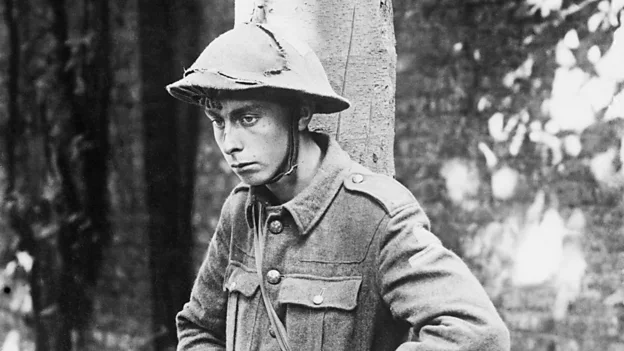
Many soldiers also suffered from a condition called shell shock. Today, we know this as post-traumatic stress disorder (PTSD). At the time, people did not fully understand it, and some wrongly thought it meant a soldier was being weak or afraid.


