Text size
Line height
Text spacing
We're currently redeveloping our website so you may see a mix of old and new style pages and forms while we complete this work..
Inset Day - Tuesday 1st September 2026, School will be closed to all pupils..
Autumn Term commences on Wednesday 2nd September 2026 for all pupils...
The First World War involved people from many different countries around the world.
Countries such as Britain, Germany, Russia and Austria-Hungary had large empires. Many of the countries they ruled helped by sending food, supplies and soldiers.
More than two and a half million soldiers came from Britain’s colonies to help fight in the war.
India sent the largest number of soldiers. At that time, India included the areas that are now Pakistan and Bangladesh.
Other countries, including Canada, Australia, New Zealand, South Africa and Rhodesia (now called Zimbabwe), also sent many soldiers.
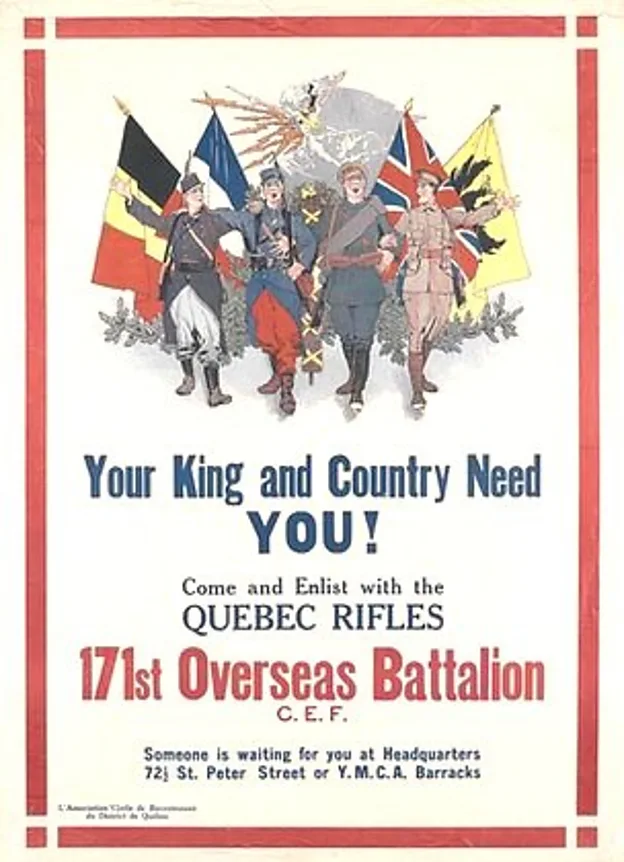
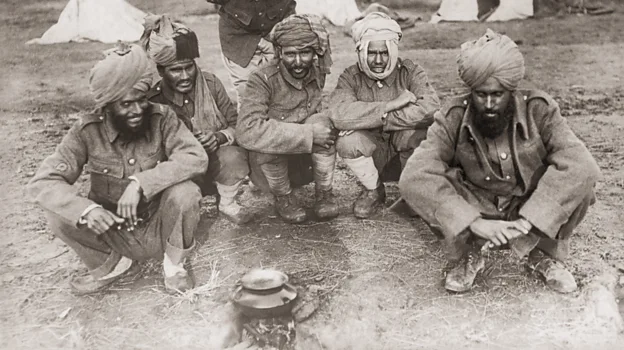
Indian soldiers serving with the British Army at camp.
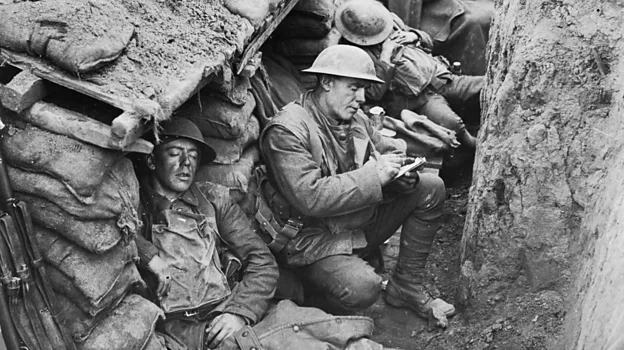
Canadian soldiers sleeping and writing letters in a trench.
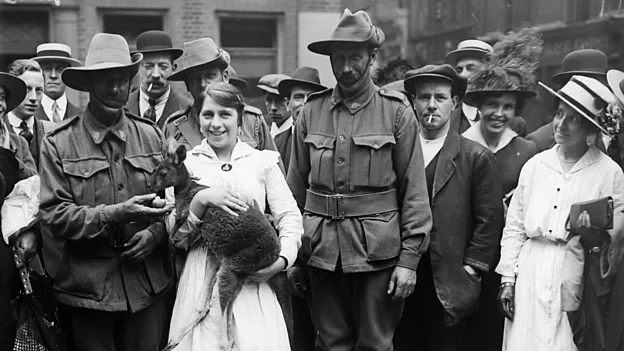
24th August 1916: Soldiers in the Australian and New Zealand Army Corps with their one-year-old pet kangaroo 'Joey'.
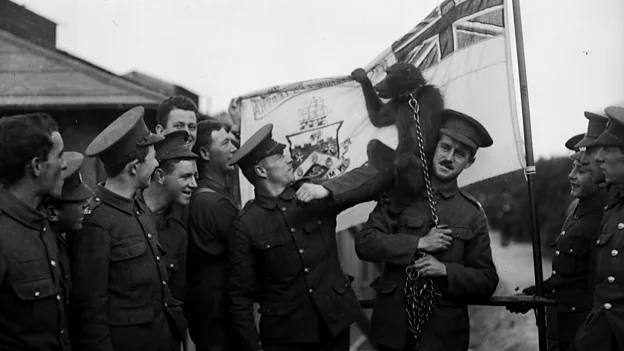
October 1915: South African soldiers stationed at Bexhill with their baboon mascot.
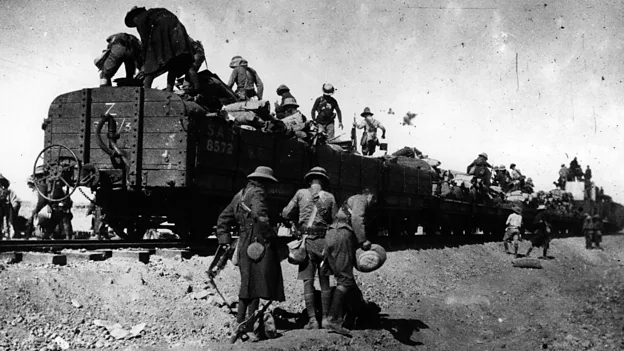
September 1915: Rhodesian soldiers getting off a train in the desert in the war in South West Africa.
The British Empire was led by the Royal Family. The King during the First World War was King George V, who was Queen Elizabeth II’s grandfather.
During the war, the Royal Family changed their surname from Saxe-Coburg-Gotha to Windsor because it sounded more British.
King George V was related to many other royal families in Europe, including those in Germany and Russia. Changing the family name helped show that Britain was separate from these countries.
Other members of the Royal Family helped during the war too:
Many people looked to King George V and the Royal Family for support and encouragement during the war. They helped people understand why Britain was fighting and gave them hope during difficult times.
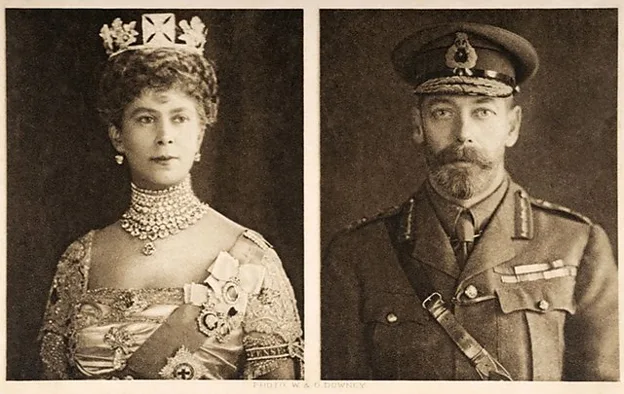 Official portraits of Queen Mary and King George V in 1914.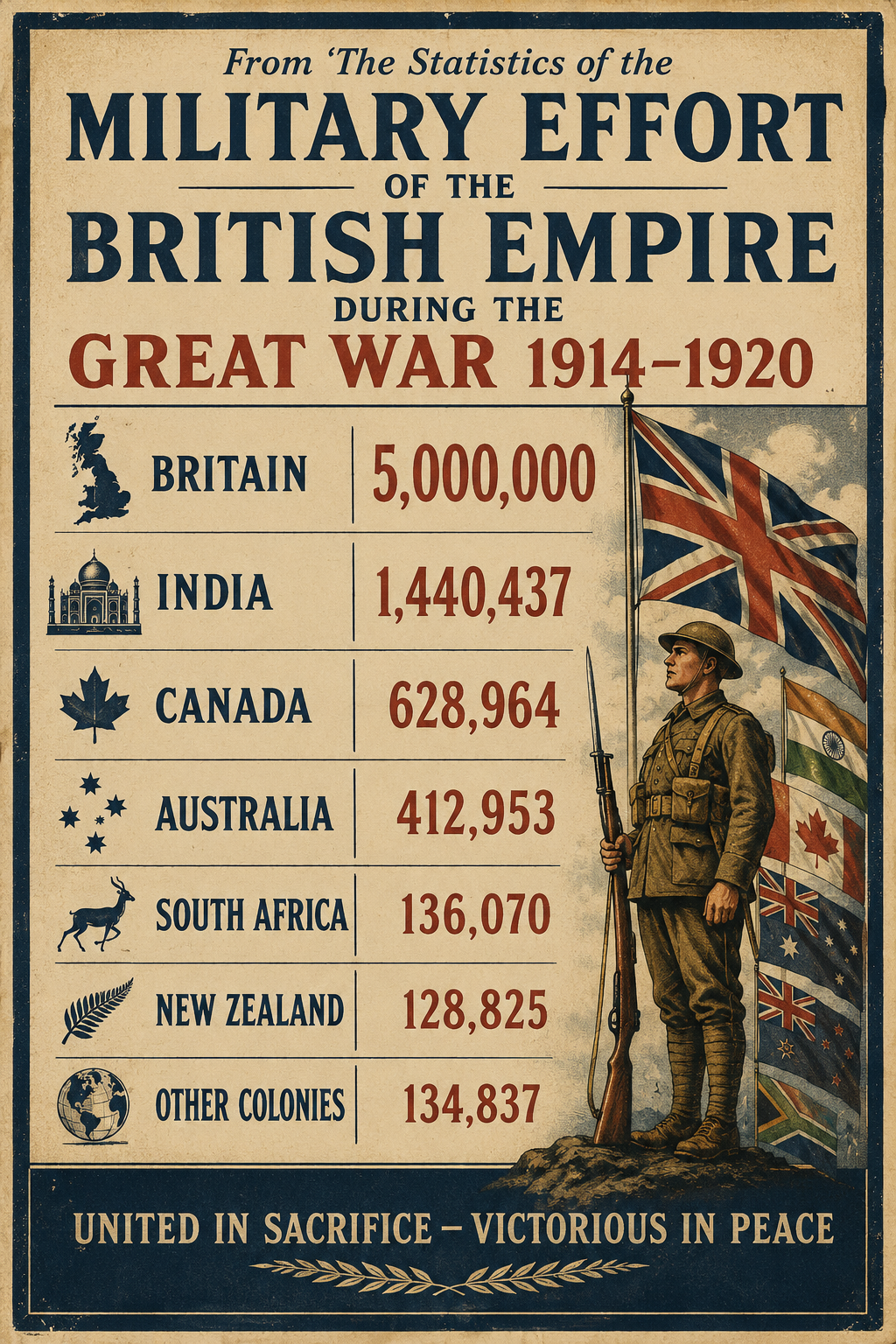
Soldiers from many different countries came to help during the war. You might think that everyone who helped would be treated fairly and with respect. Sadly, this was not always true.
At that time, some people in Britain had unfair beliefs about people from different backgrounds. Today, we call these beliefs racism.
Some things were positive. Indian soldiers were allowed to follow their religion and eat food that matched their beliefs.
However, they were not treated the same as all soldiers. They were not allowed to become officers, and some nurses were not allowed to care for them because they were Indian.
After the war, India was still ruled by Britain and was not allowed to govern itself. People were also limited in what they could say and write. Later, in 1947, India became an independent country.
The colonies fought hard to help Britain in the war. But they questioned if they deserved a chance to rule themselves with their own governments.
Britain saw how much these colonies helped during the war and decided that some could be given more freedom once the war ended.
This was a step towards some countries gaining independence.
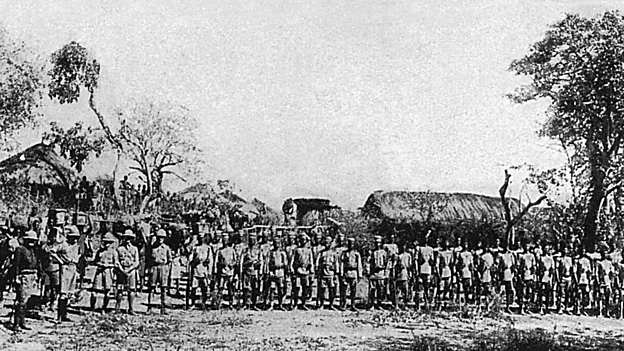
Sadly, the brave soldiers from India did not get as much attention as soldiers from Australia, Canada, and South Africa. Because of this, many people forgot about their important role in the war.
Today, more people are learning about the courage and sacrifices made by Indian soldiers and others from across the British Empire.
Although most of the fighting took place in Europe, the war affected people all around the world.
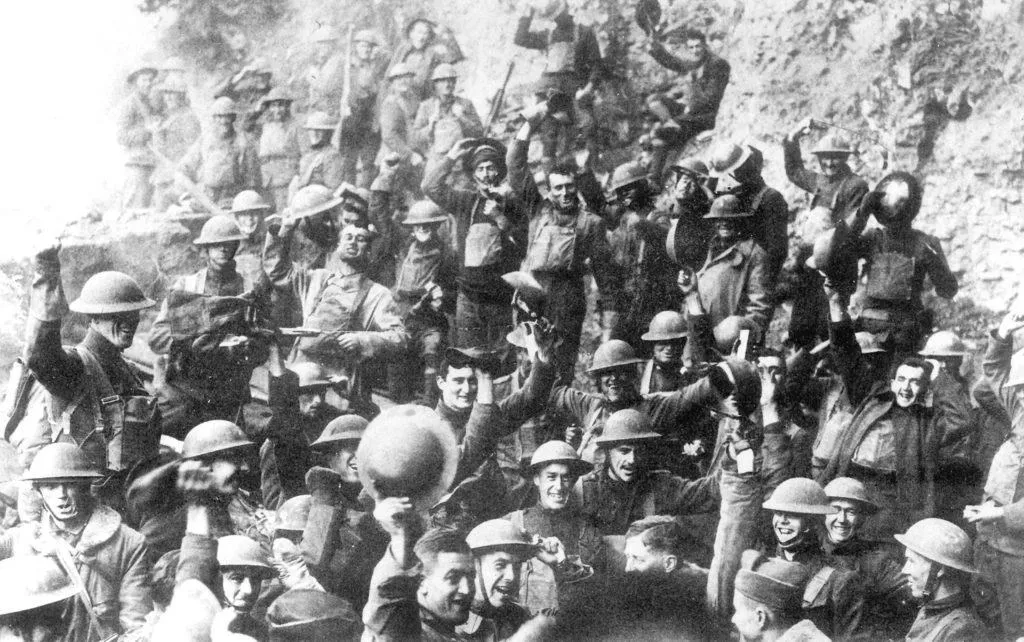
Sadly, the brave soldiers from India did not get as much attention as soldiers from Australia, Canada, and South Africa. Because of this, many people forgot about their important role in the war.
Today, more people are learning about the courage and sacrifices made by Indian soldiers and others from across the British Empire.
Although most of the fighting took place in Europe, the war affected people all around the world.


