Text size
Line height
Text spacing
We're currently redeveloping our website so you may see a mix of old and new style pages and forms while we complete this work..
Inset Day - Tuesday 1st September 2026, School will be closed to all pupils..
Autumn Term commences on Wednesday 2nd September 2026 for all pupils...
The Moon is a large ball of rock.
It is the Earth's only natural satellite (an object that orbits a planet).
It measures 2160 miles in diameter which is about a quarter of the size of Earth.
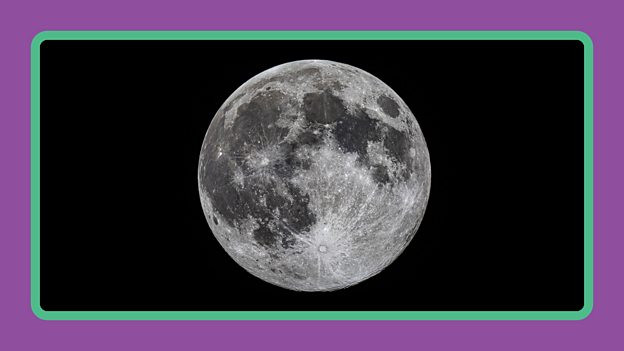
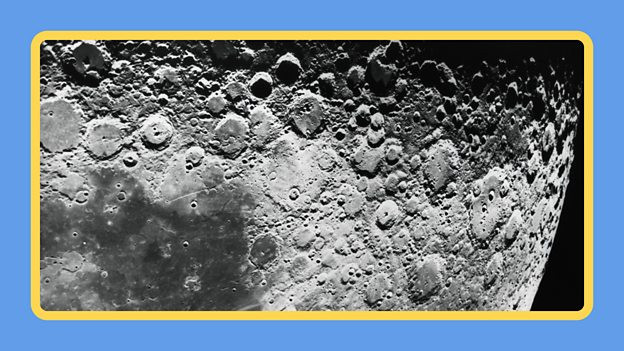
The Moon has a rocky surface with mountains, huge craters caused by asteroid impacts, and flat plains called 'seas'.
The Moon may appear bright in the night sky, however it does not produce its own light. It reflects light from the Sun.

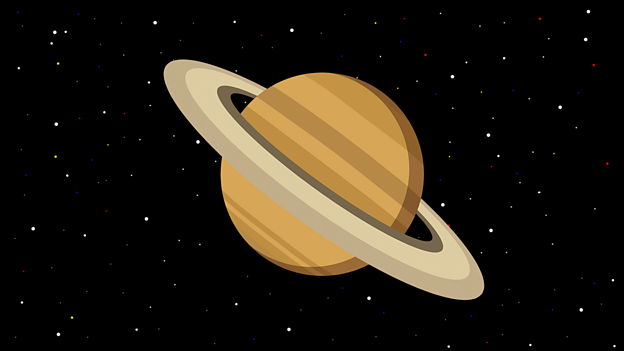
The Moon is constantly travelling around the Earth.
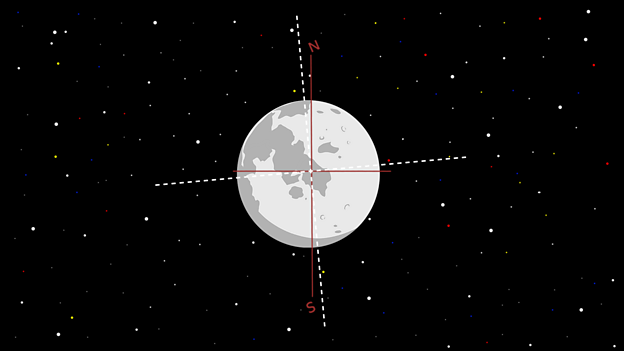
Like the Earth, the Moon rotates on its own axis as it orbits our planet.
It takes 27 days for the Moon to orbit our planet. In one year, the Moon can rotate around the Earth 13 times.
The diameter of the Moon is just a quarter (25%) of the size of the Earth.
The mass of the Moon is 1.2% that of the Earth.
Gravity on the lunar surface is about one-sixth of Earth's
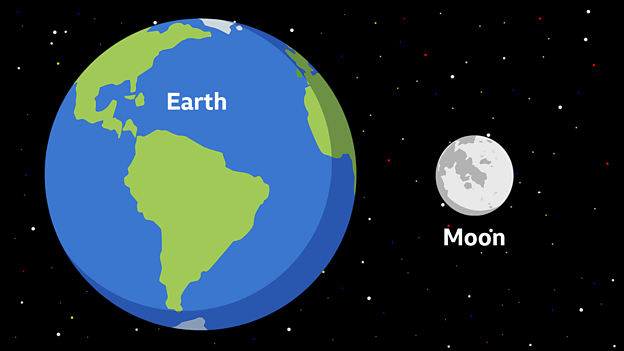
The Sun, Earth and Moon are all spherical. This means they are shaped like a ball.
The Earth is constantly travelling around the Sun and the Moon around the Earth.
When you look up at the night sky, you may have noticed how the Moon appears to change shape. This is because we can only see the part of the Moon which is illuminated by the Sun as the Moon orbits the Earth.
The Moon does not actually change shape, we just see a different view of the Moon each night.
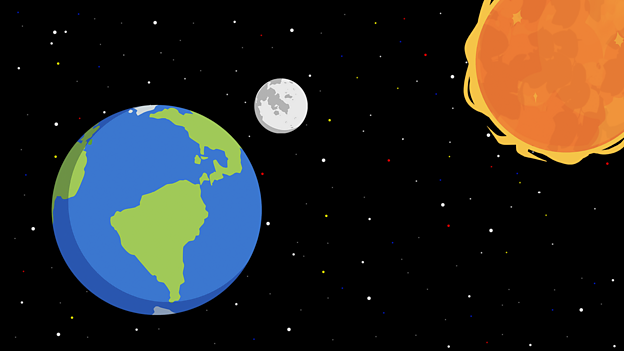
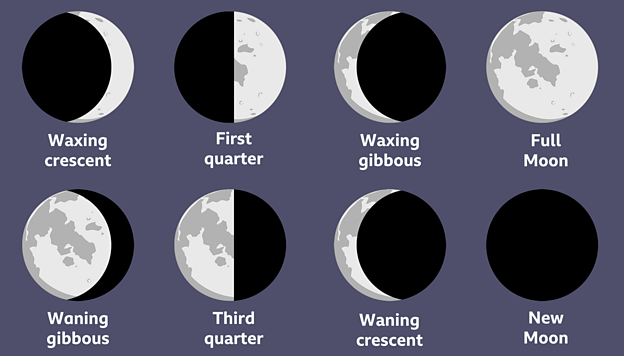
Sometimes, you may notice the Moon getting smaller (waning) and larger (waxing). The different shapes that we see are called the phases of the Moon.
When we see a full Moon in the sky, the Earth is in between the Sun and the Moon.
We cannot see a new Moon because the Moon is between the Earth and the Sun so we are looking towards the side of the Moon that is not illuminated.
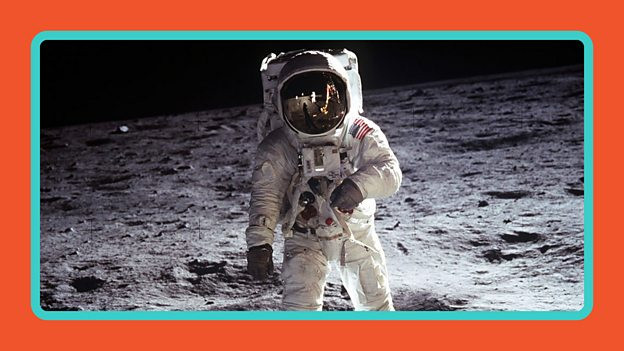
Learn about the Neil Armstrong and the first men to step onto the Moon.