Text size
Line height
Text spacing
We're currently redeveloping our website so you may see a mix of old and new style pages and forms while we complete this work..
Inset Day - Tuesday 1st September 2026, School will be closed to all pupils..
Autumn Term commences on Wednesday 2nd September 2026 for all pupils...
Many men who went to war were able to use the skills learned from their jobs at home.
Men who worked with horses were useful recruits as the Army had thousands of horses.
Men who knew how to drive could transport supplies in buses and lorries. Or even drive a tank!
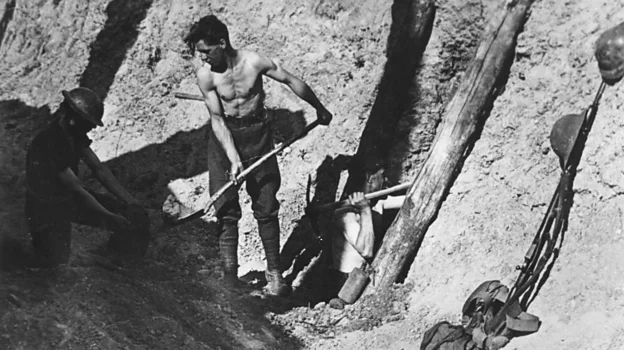
Coal miners became 'sappers', experts at tunnels and trenches.
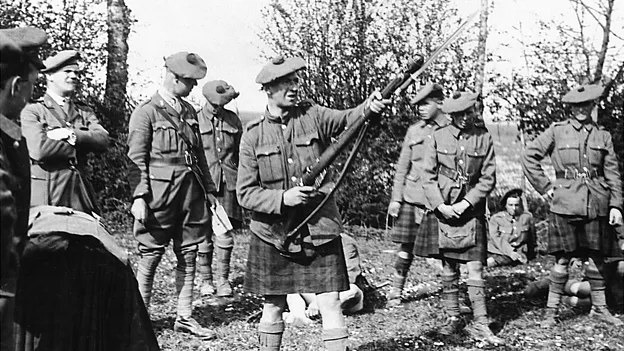
The rifle was the soldier's main weapon. Men who knew about rifles were highly valued.
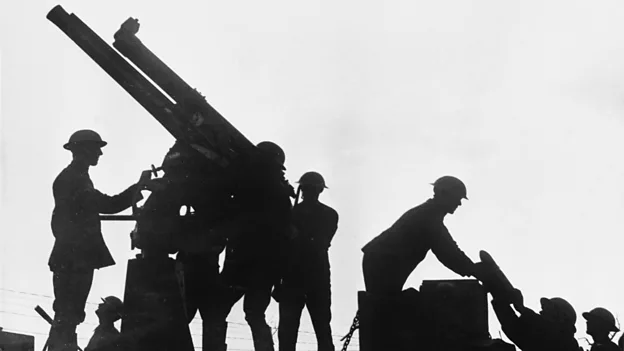
Artillery soldiers, known as ‘gunners’, fired explosive shells. The biggest guns weighed several tons and were hard to move. Artillery guns would fire thousands of shells to flatten enemy defences before the infantry ran forward. This was known as a barrage.
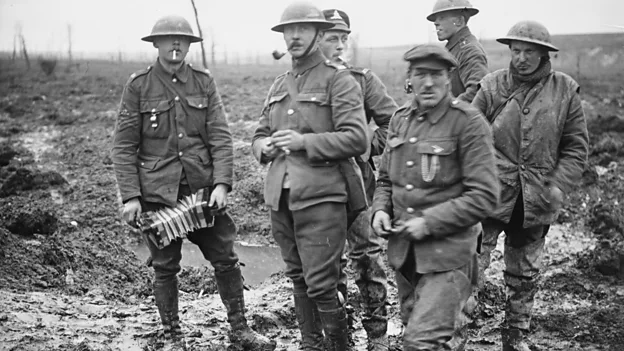
Most soldiers in the Army were in the infantry. They were foot soldiers, trained to march and carry all their equipment.
A soldier had to be dressed at all times with his rifle ready.
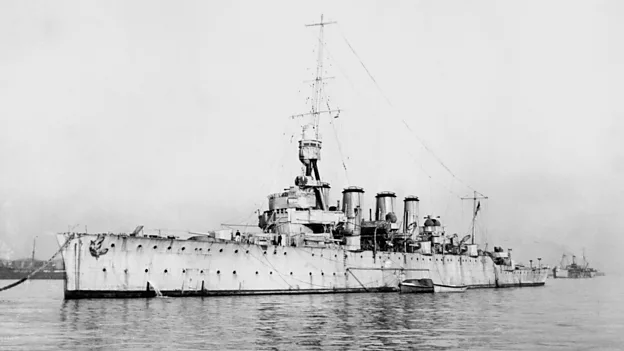
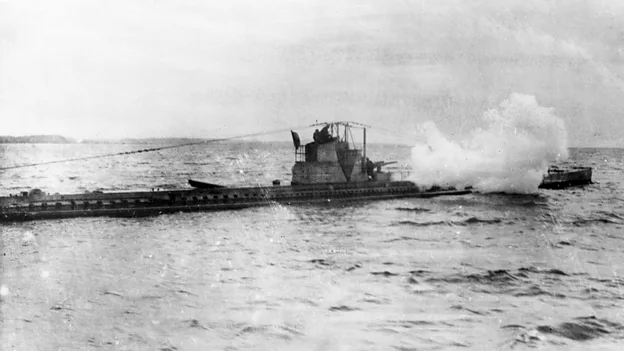
In 1914 Britain had the biggest and strongest navy in the world.
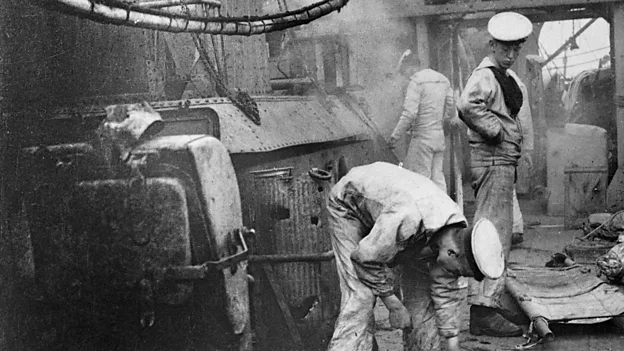
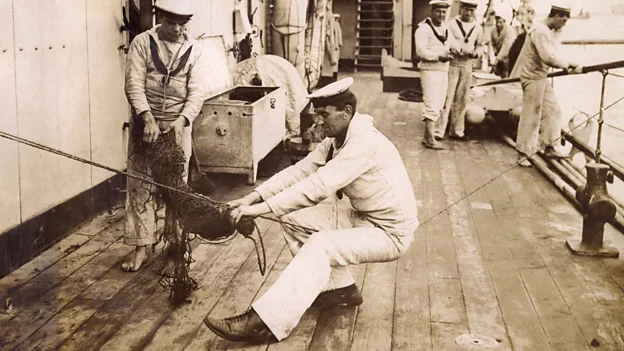
The Royal Navy had hundreds of ships and more than 200,000 sailors.
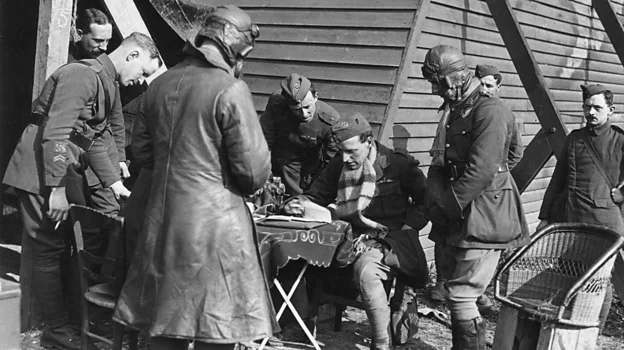
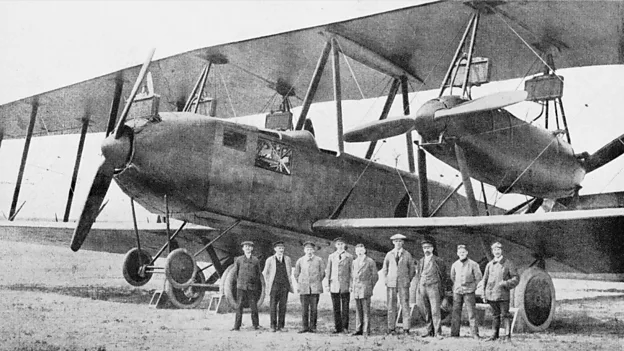
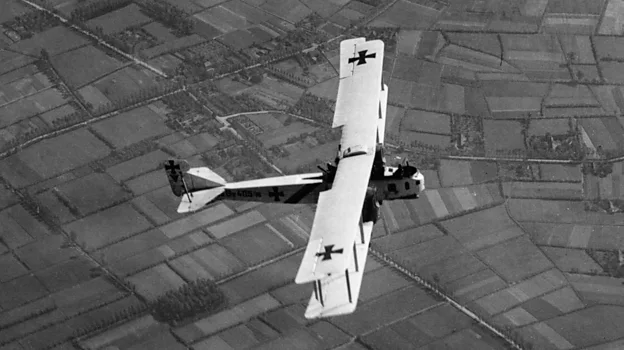
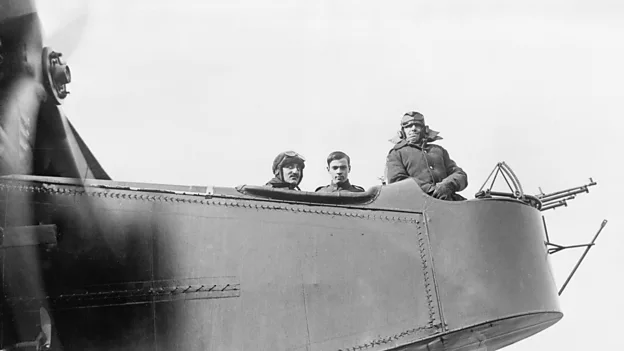
Using aircraft in war was a new idea. Pilots first belonged to the Army's Royal Flying Corps or the Royal Naval Air Service.
These joined forces in 1918 to become the Royal Air Force.
Even though many people volunteered to join the army, there were not enough soldiers by 1916.
The government made a new law called conscription, which meant men had to join the armed forces.
By 1918, most men under the age of 51 were being called up to serve.
Many men did not want to go to war, but they had no choice. Some had never travelled far from their homes before. Suddenly, they found themselves far away, taking part in dangerous battles.