Text size
Line height
Text spacing
Inset Day - Tuesday 1st September 2026, School will be closed to all pupils..
Autumn Term commences on Wednesday 2nd September 2026 for all pupils...
Updated Dinner Menus - Click here to view the updated menus
Welcome to the wonderful world of plants! 🌿 Plants and flowers make our world beautiful, green, and full of life. They give us food, oxygen, and homes for animals! Let’s learn about how plants grow and why they are so important! 🌍💚
Plants are very important living things.
They have lots of jobs, such as providing animals with food and releasing oxygen into the air.
Plants can be divided into two groups, those that produce flowers, called flowering plants, and those that don’t.
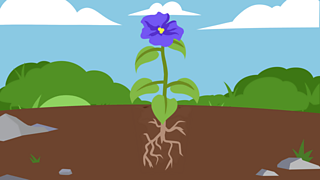
Flowering plants all have the same four important parts, with each part doing something different to help the plant carry out all its jobs:
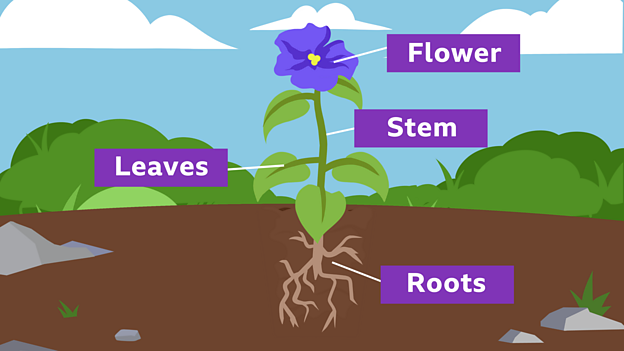
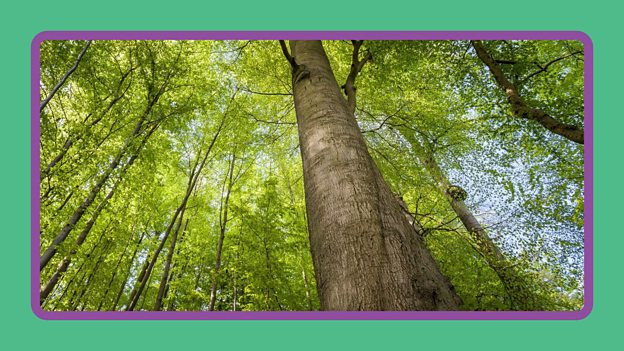
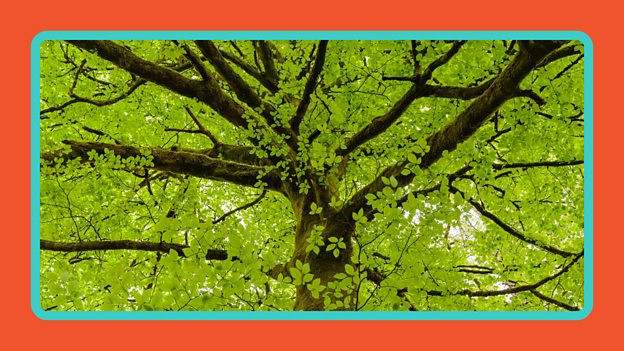
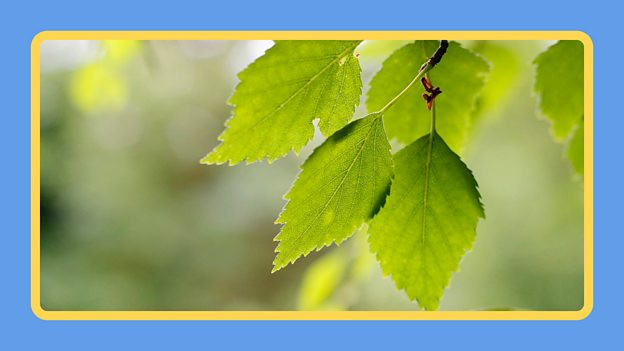
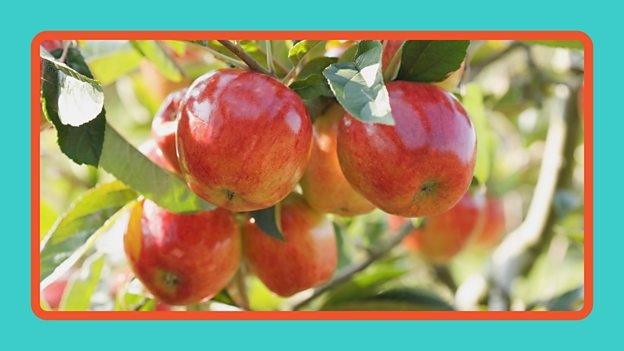
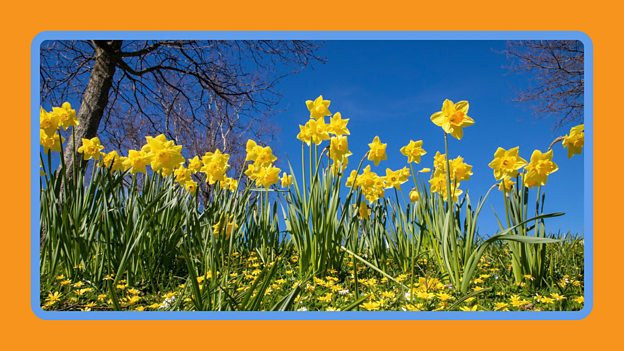
Each part of the plant has a different job, and they all work together to keep the plant alive and healthy. Let’s find out what they do!
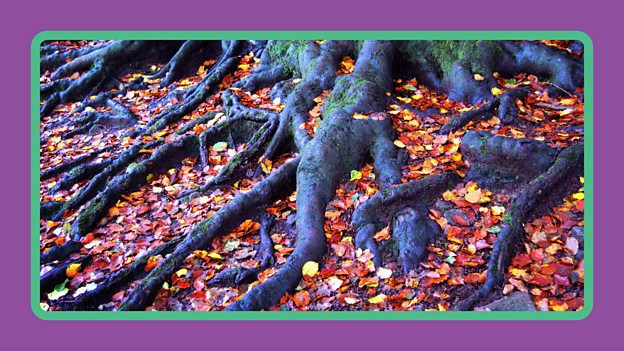
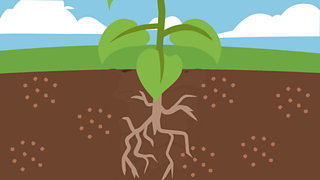
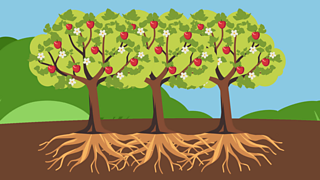
Roots - Take up water and nutrients from the soil. The roots also keep the plant steady and upright in the soil.
Stem - Carries water and nutrients to different parts of the plant. The stem of a tree is called its trunk. This often divides into smaller branches.
Leaves - Use light from the Sun, along with carbion dioxide from the air and water to make food for the plant. This process is called photosynthesis.
Flowers - Are involved in plant reproduction and produce seeds from which new plants grow.
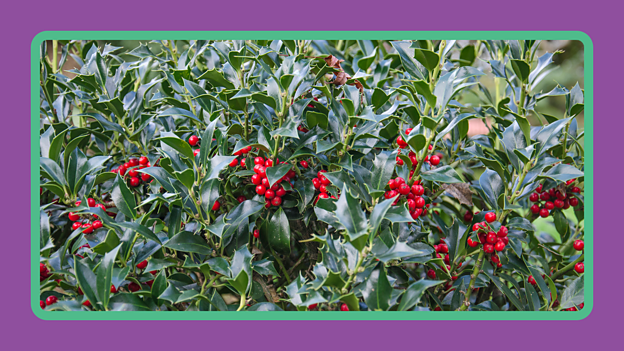
All flowering plants produce fruit.
Sometimes it looks like the fruits that we know and can eat, like apples, plums and blackberries, and in other plants it doesn’t look like a fruit we know at all.
The job of the fruit is to protect the seeds of the plant and to help them to be spread.
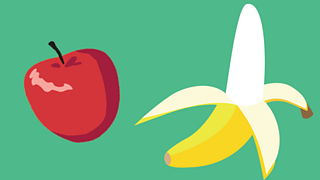
Flowering plants from all over the world which live in different climates and habitats, all have the same structure, even if they look very different to each other.
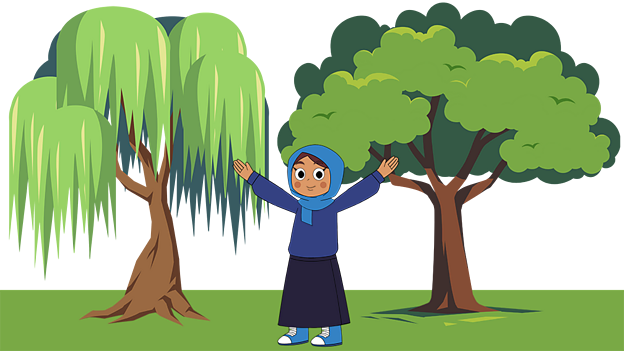
A tree's stem is called its trunk.
There are some plants which live underwater. Some aquatic plants like seaweed live in the sea.

Plants are living things, so they need certain things to help them grow and to keep them alive. They need:
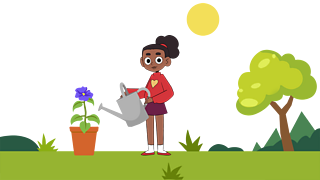
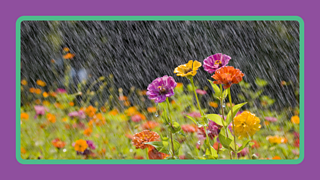
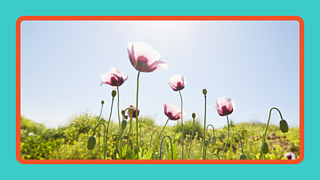
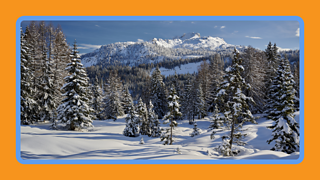
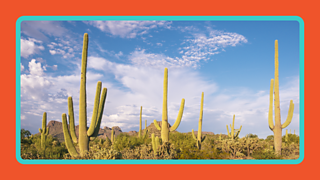
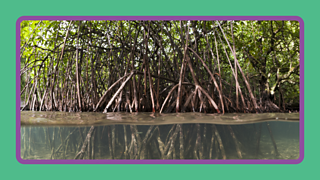
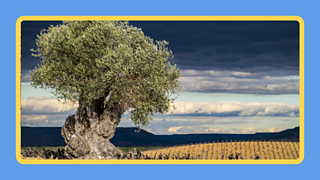
Even though all plants need the same important things to stay alive, each species of plant needs a different amount of each one.
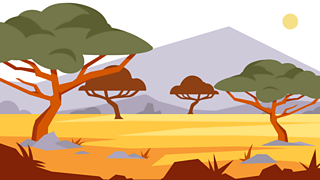
Some plants are adapted to live in very hot climates, and others can survive in some of the coldest places on earth.
Some plants need very little water to stay alive, while some need much more. We can spot a healthy plant because they normally stand upright, and look strong, healthy and green.
If plants do not get the correct amount of what they they need, then they will not be healthy and might die. If they do not receive the right amount of sunlight for instance, they will not have the right amount of nutrients.
Unhealthy plants turn brown and wilt.
We can spot healthy plants because they normally stand upright and are green. They continue to make their own food in their leaves by photosynthesis.
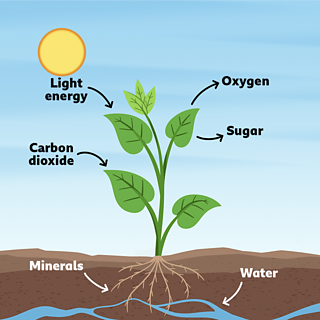
Almost all life on Earth depends upon photosynthesis, it's the process by which plants use sunlight, water and carbon dioxide to create their own food and oxygen.
Plants get carbon dioxide from the air through their leaves, and minerals and water from the ground through their roots. Light energy comes from the Sun.
The oxygen produced is then released into the air from the leaves. The sugar (glucose) produced can be turned into other substances, such as starch and plant oils, which are used as an energy store. The sugar (glucose) is also used to release energy through the process of respiration.
If we didn’t have plants in our world then humans and animals wouldn’t be able to live.
Plants produce oxygen that we need to breathe in to live, and they use carbon dioxide, which is what we breathe out.
If there were no plants, then there would be no oxygen for us to breathe.
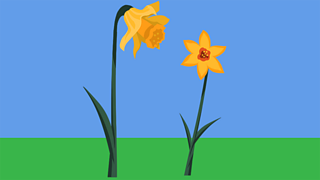
Plants make their food in a process which is called photosynthesis.
Photosynthesis requires sunlight, water and carbon dioxide.
Plants need water to obtain the nutrients that they need from the soil, and to transport them all around the plant.
Water is vital for a plant to live and to grow healthily.
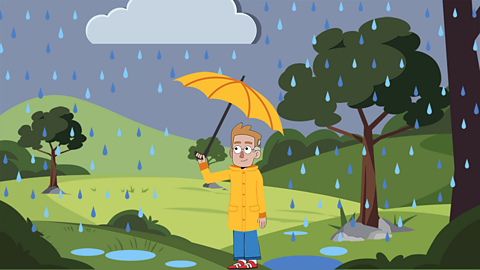
Plants take water from the soil through their roots, but how does the water travel all the way to the leaves so that the plant can use it to make food?
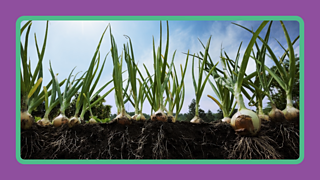
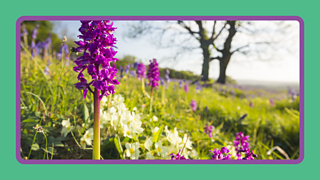
Most plants need more water in hot weather, just like people do.
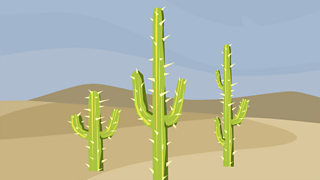
The leaves and stems of many desert plants have a thick, waxy covering.
This keeps the plants cool under the hot desert Sun and reduces water loss through evaporation.

Plants are all around us, from trees to flowers, to fruits and vegetables and even weeds.
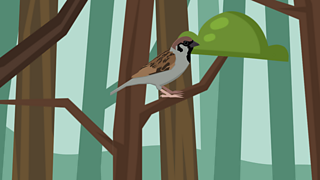
In some habitats, such as woodlands and rainforests, the plants are what make the habitat.
In some habitats, such as an urban habitat, plants fit in around everything else.
But why are plants such an important part of our environment?
Here are 10 reasons why plants are amazing:


Reproduction means to have babies or offspring.
Just like animals, plants need to be able to reproduce. The offspring of plants are called seeds or bulbs.
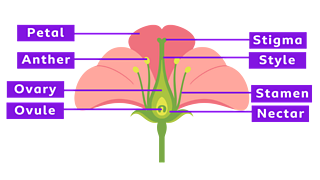
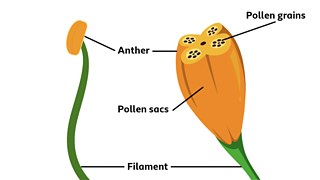
The anther is the part of the stamen in a flower where pollen is produced.
An anther can be found at the tip of a long slender stalk known as a filament.
Each anther has two lobes which both house a pair of pollen sacs.
The plant's pollen grains are produced in these sacs before being released.
Unlike animals, plants don’t need a male and a female to reproduce because their flowers have both male parts and female parts.
These are the steps in reproduction in flowering plants:
The Svalbard Global Seed Vault is the world's largest seed bank. It has seeds in storage from millions of plant species, and some extinct ones too.
The vault is buried deep inside a mountain in the remote Arctic islands of Svalbard. There are no earthquake zones or volcanoes nearby and the area has natural low humidity and temperature, which is perfect for the storage of seeds.
Having seeds in a safe stored environment means that we have a back up if any species die off, including essential plants used for foods. They could potentially solve a world food crisis!
Some plants, such as Himalayan balsam, are ballistic plants which means they release their seeds using natural explosions.
These can be triggered by passing animals, the wind or from other plants brushing against them!
Some plants can also reproduce without an egg cell being fertilised to produce a seed. Instead, these plants produce an identical copy of themselves. This type of reproduction is known as asexual reproduction.
Plants can reproduce asexually in a number of different ways. Some plants produce bulbs, such as daffodils and snowdrops. Others, like potatoes, produce tubers.
These sit under the soil and develop into new plants the next year.
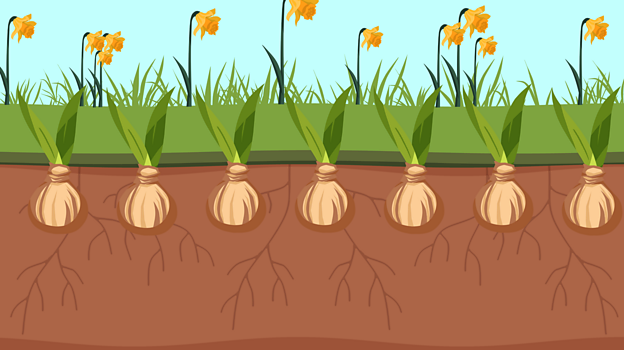
Each part of a plant has an important job to do, from the roots to the shoots, to the leaves and even the flower.
Flowers aren’t just the part of a plant that looks pretty, they actually play a key part in the life cycle of a plant.
To understand how, we need to understand three important things:
pollination
seed formation
seed dispersal
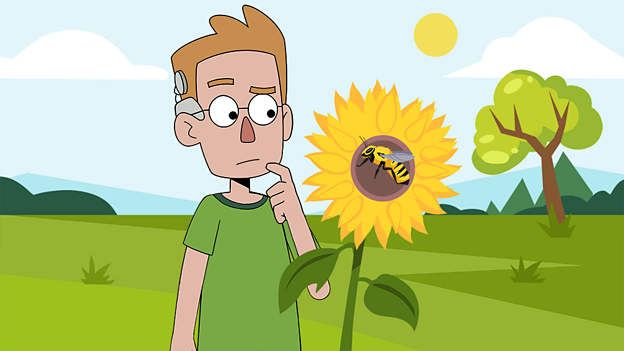
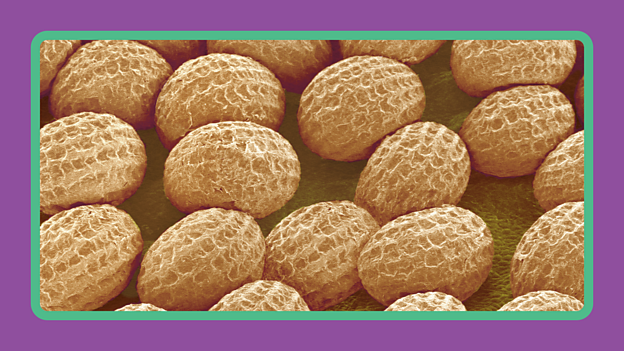
Flowers are full of pollen which is a yellow powder that you find in the centre.
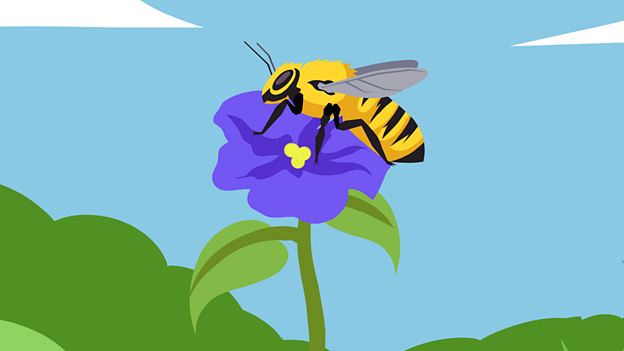
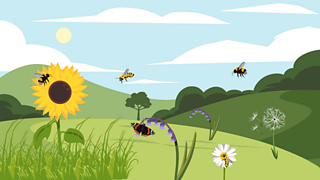
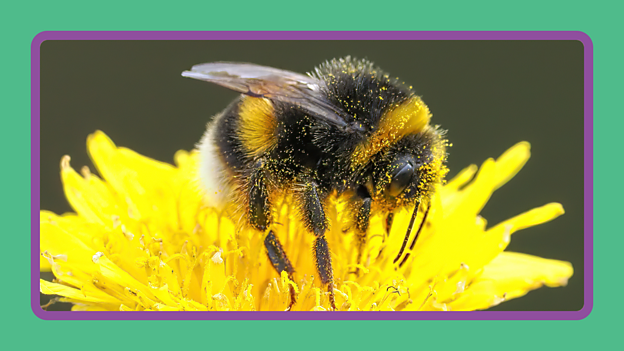
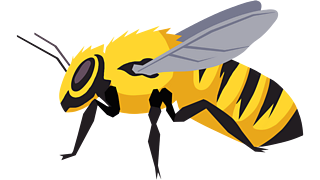
To make a seed, a flower needs to be pollinated. This means that the pollen from one flower needs to travel to another flower. This is usually done by insects such as bees, which climb inside the flower to get to the nectar and pollen to take back to their hive. They are called pollinators.
The bees then fly to a different flower to get more nectar taking the pollen from the other plant with them. The insects are attracted to a flower by its brightly coloured petals, its sweet smell and its tasty nectar.
When pollen has moved from one flower to another, the flower that loses pollen will start to die. It no longer needs its colourful petals, scent or nectar. But before it dies, the flower will produce seeds.
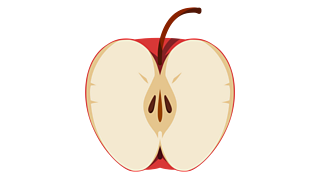
When the pollen from two different flowers mixes together, seeds can be created. The flower that has lost the pollen begins to die. It no longer needs it colourful petals, scent or nectar.
The flower that the pollen was taken to will produce seeds. Some seeds might be used by people to make food, like corn and oats that are used to make bread and cereals.
Some seeds are surrounded by fruit such as apples, plums and pears. Others might be spread by the plant to create new plants.
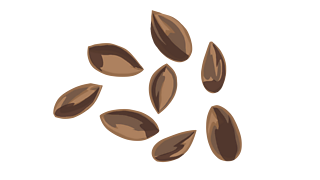
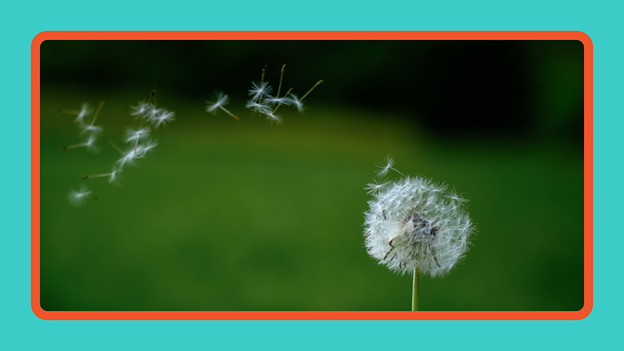
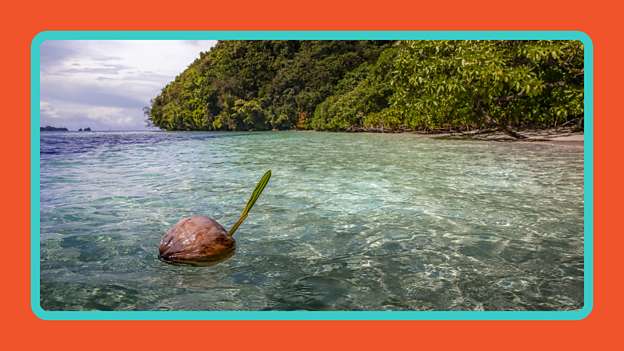
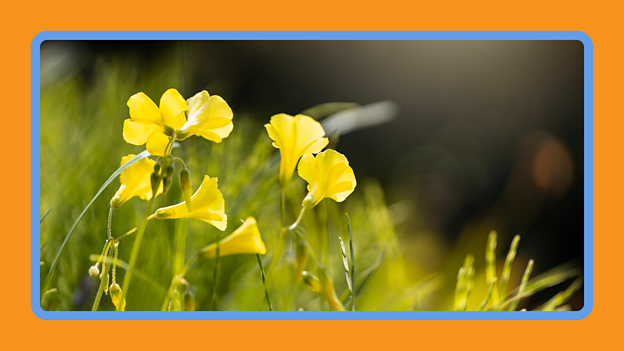
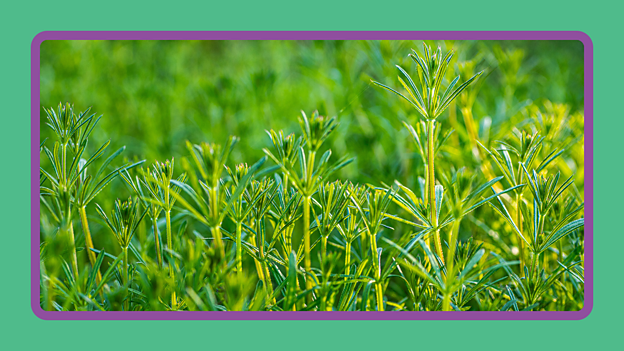
Plants need their seeds to be spread to different places so that more plants can grow and they won’t be competing for water, light or nutrients. When the seeds of a plant are spread to different places this is called seed dispersal.
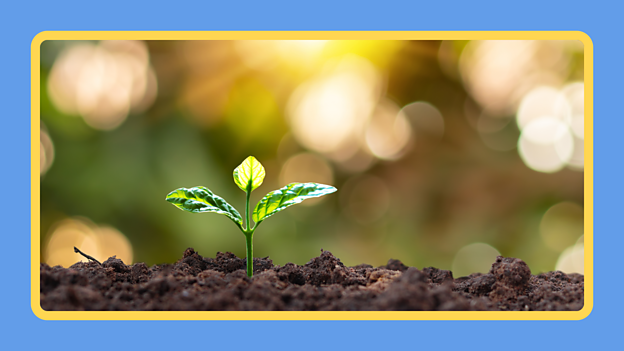
However a seed is spread, it will germinate and grow into a new plant when the conditions are right.
Pollinators, like bees help plants to reproduce and this is really important for all living things on our planet. To encourage bees to visit them, flowers have colourful petals and an attractive scent. Some flowers give the bees a sugary reward called nectar too.
Bees can see in colour, and are really good at spotting the colour flowers that they like the most.
Bees love purples and blues and find it tricky to see red flowers.
This means that a garden full of purple flowers will have more bees visiting that a garden full of red flowers!
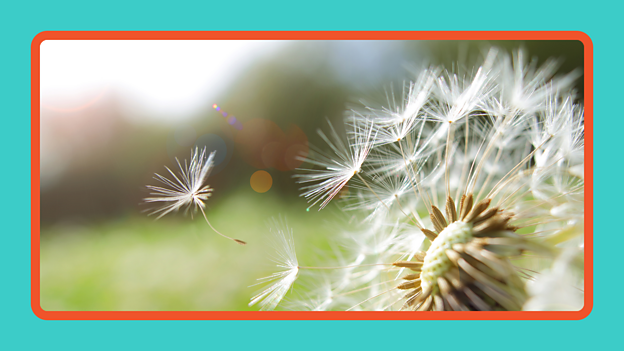
Plants spread their seeds in lots of different ways. This is called seed dispersal. Some seeds are transported by the wind and are shaped to float, glide or spin through the air.
Nearly 90% of all wild plants need animal pollination to reproduce!