Text size
Line height
Text spacing
We're currently redeveloping our website so you may see a mix of old and new style pages and forms while we complete this work..
Inset Day - Tuesday 1st September 2026, School will be closed to all pupils..
Autumn Term commences on Wednesday 2nd September 2026 for all pupils...
Women were not allowed to be soldiers during World War One, but they still found many important ways to help.
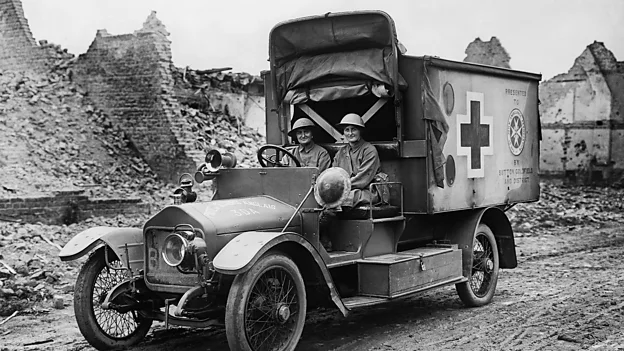
Many women travelled to dangerous areas near the fighting, where they could be hurt by enemy attacks.
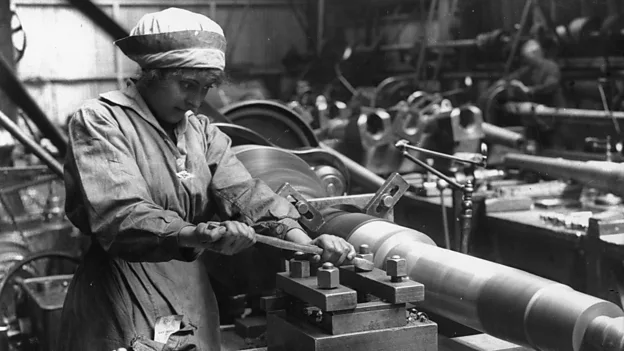
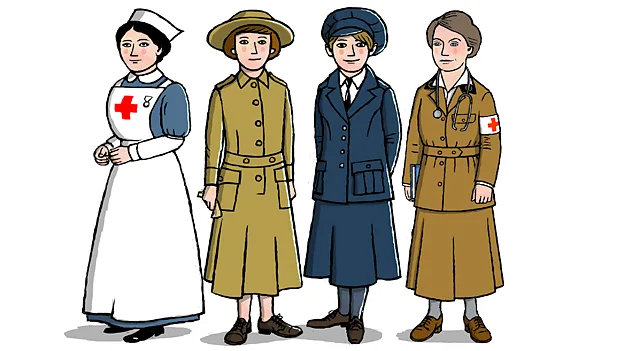
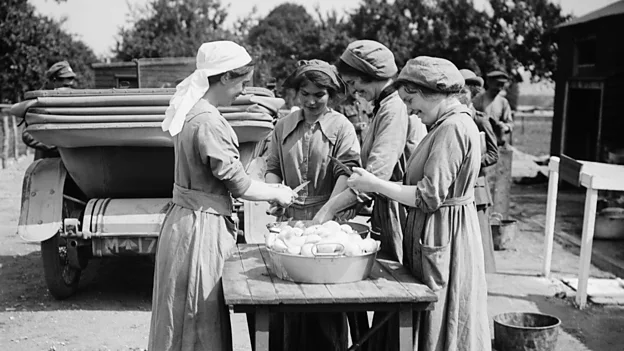
Some worked as mechanics, cooks, nurses, and doctors, helping soldiers and keeping things running smoothly.
They often worked very long hours and slept in simple camp beds before getting up early to work again.
The women who worked near the front line were very brave. For many of them, it was the first time they had ever travelled away from Britain to help others.
By 1917 the Army was running short of men.
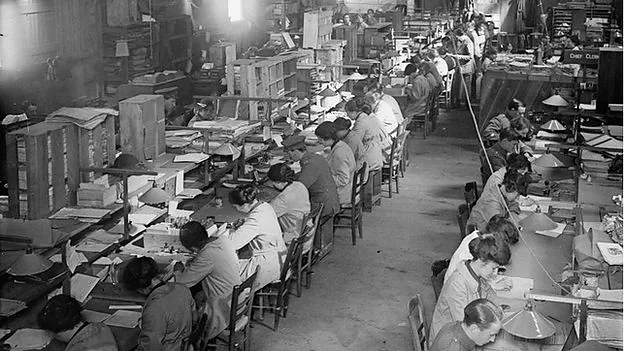
The War Office realised that some front line jobs which did not involve fighting were being done by men. They decided that women could do these jobs instead.
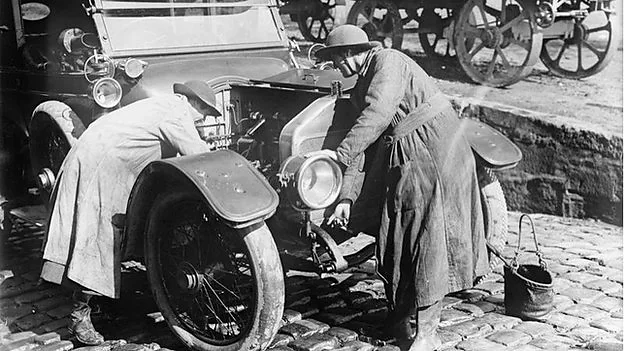
Women Who Helped During World War One
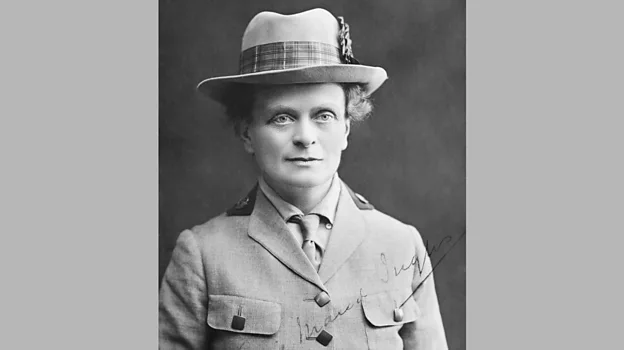
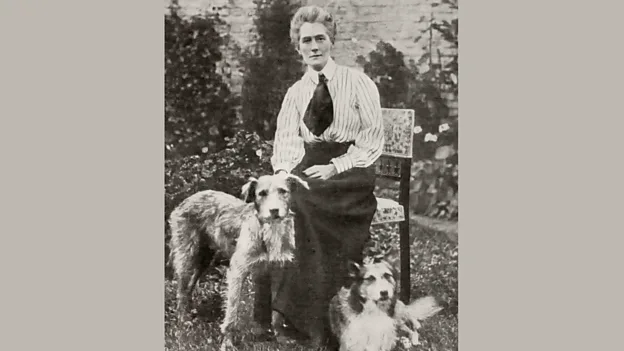
Many women became famous because of the brave ways they helped during World War One.
Many other women also became heroes by caring for injured soldiers and working in hospitals and medical centres.
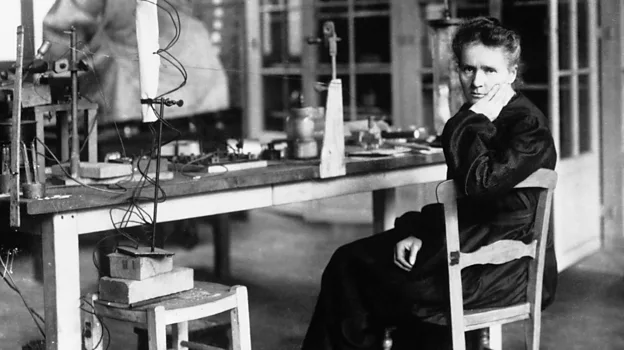 Marie Curie in her laboratory in 1912.
Before war broke out there were only approximately 200 female doctors.
A shortage of trained medical staff during World War One gave opportunities for women to take a wide range of crucial roles.
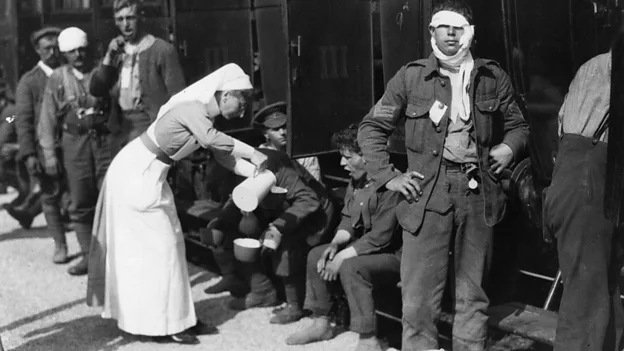
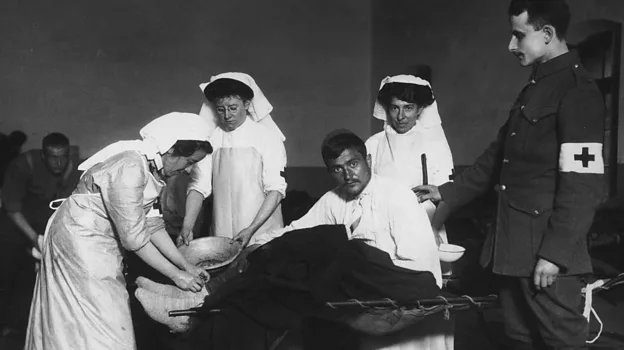
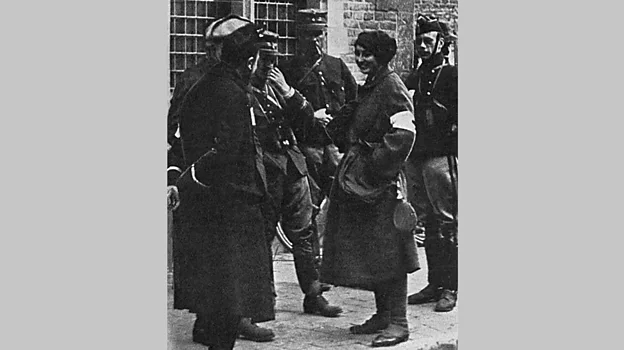
At the start of the war, some women thought working near the front line would be exciting and adventurous.
However, they soon discovered that war was very difficult, dangerous, and often very sad.
During the war, many women learned new skills and took on important jobs. Some became doctors, mechanics, and workers in roles that women had not usually been allowed to do before.
Like many women back home, they enjoyed having more independence and opportunities, and they did not want to lose these when the war ended.